



The self-storage industry is one of the most recession-resistant sectors in commercial real estate. It rode out the Great Recession, survived a global pandemic, and is currently seeing an upswing in new construction across Oregon and Northern California. But the very characteristics that make self-storage so durable — high customer turnover, diverse tenant profiles, and the unpredictable nature of what people actually store — also create a set of insurance exposures that standard commercial policies do not fully address. Whether you operate a facility on the Oregon Coast, in Southern Oregon's Rogue Valley, or in Humboldt County, or whether you are simply renting a unit to store your belongings, this guide covers what you need to know about self storage insurance in 2026.
Operate a Self Storage Facility? Get a Specialized Quote.
Standard commercial policies leave self-storage operators exposed. Gerald Ross Agency has access to specialty programs that include customer goods legal liability, sale and disposal liability, limited pollutant removal, and cyber coverage — all in one package.
Part One: Insurance for Self Storage Facility Operators
If you own or manage a self-storage facility in Oregon or Northern California, your insurance needs go well beyond a standard commercial property and liability policy. The self-storage model creates four distinct exposures that require specialty coverage: your physical property and structures, your legal liability to customers whose belongings are damaged, your exposure when you enforce lien rights against delinquent tenants, and the environmental liability created when tenants store hazardous materials. Understanding each of these is the starting point for building a policy that actually protects your business.
Commercial Property Coverage: The Foundation
Commercial property insurance for a self-storage facility covers the physical structures — the storage buildings themselves, the office, perimeter fencing, security gates, lighting systems, and any other improvements on the property. For a facility with multiple buildings and dozens or hundreds of units, getting the replacement cost valuation right is critical. Underinsurance is one of the most common and costly mistakes self-storage operators make: if your buildings are insured for their original construction cost rather than today's replacement cost, a major loss will leave you significantly short of what you need to rebuild.
In Oregon and Northern California, commercial property rates have risen significantly since 2022 due to wildfire risk, rising construction costs, and tighter reinsurance markets. Facilities in Southern Oregon's Rogue Valley, in the wildland-urban interface zones of Josephine and Jackson counties, and in Northern California's Humboldt, Mendocino, and Trinity counties face the most challenging underwriting environment. Some standard carriers have pulled back from these areas entirely, making surplus lines markets an important option for facility operators who cannot find competitive admitted coverage. An independent agent like Gerald Ross Agency can access both admitted and surplus lines markets to find the most competitive terms for your specific location.
Customer Goods Legal Liability: The Coverage Most Operators Don't Know They Need
Here is the most important thing to understand about self-storage liability: your rental agreement almost certainly says you are not responsible for your tenants' belongings. That clause is standard in the industry and is generally enforceable. But it does not protect you from claims of negligence.
Consider a scenario that plays out regularly at storage facilities across Oregon: a tenant notices water staining on the ceiling of their unit and reports it to the facility manager. The manager acknowledges the issue and promises to have it repaired. A week later, a heavy coastal rainstorm causes the roof to leak, destroying antique furniture worth $15,000. The tenant files a claim against the facility, arguing that the operator was aware of the defect and failed to repair it in time. A court may well agree — and your standard general liability policy may not cover this type of claim.
Customer Goods Legal Liability coverage is designed specifically for this exposure. It pays for damages to or loss of a renter's property when the facility owner is found legally liable due to negligence. It is one of the most important specialty coverages for self-storage operators and is not included in a standard commercial package policy. Make sure your policy includes it.
Sale and Disposal Liability: Oregon Lien Law and the Risk of Getting It Wrong
When a tenant stops paying rent, Oregon law gives self-storage facility operators the right to place a lien on the stored property and, after following a specific legal process, to sell or dispose of it. The governing statute is ORS Chapter 87 (Oregon's Self-Service Storage Facility Act). California has its own equivalent statute. The process requires specific written notices to the tenant, a waiting period, and in most cases a public auction — either in person or online.
The problem is that the legal requirements are precise, and the consequences of getting them wrong are severe. If a facility operator fails to send the required notices, uses the wrong auction format, or disposes of property before the statutory waiting period has elapsed, the former tenant can sue for the value of their belongings — regardless of what the rental agreement says. Sale and Disposal Liability coverage pays for these claims and the associated legal defense costs. It is a coverage that many self-storage operators do not think about until they are already facing a lawsuit.
Limited Pollutant Removal: When Tenants Store What They Shouldn't
Every self-storage rental agreement prohibits the storage of hazardous materials. Most tenants comply. But in Oregon and Northern California, where agriculture, landscaping, and small-scale manufacturing are common industries, it is not unusual for a tenant to store fertilizers, pesticides, herbicides, solvents, or other chemicals in their unit — sometimes without realizing these materials are prohibited or dangerous.
When a tenant vacates and leaves behind contaminated materials, or when faulty packaging causes chemicals to leak, the facility operator is responsible for cleanup. Standard commercial property policies exclude pollution-related cleanup costs. Limited Pollutant Removal coverage fills this gap, paying for the cost of removing hazardous materials and decontaminating affected units in compliance with applicable environmental regulations. In Oregon, the Department of Environmental Quality (DEQ) has specific requirements for hazardous material disposal that can make cleanup expensive even for relatively small contamination events.
Cyber Liability: The Digital Access Risk
Modern self-storage facilities increasingly rely on digital access control systems, online payment portals, and cloud-based management software. These systems collect and store sensitive customer data — names, addresses, payment card information, and access codes. A data breach or cyberattack can expose this information and create significant liability for the facility operator.
Cyberattacks on small businesses cost approximately $2 billion in 2021, and the frequency of attacks on small commercial operations has continued to rise. Cyber liability insurance for self-storage facilities covers the costs of a data breach response — notification to affected customers, credit monitoring services, regulatory fines, and legal defense. It also covers business interruption losses if a ransomware attack takes your management system offline. Given how central digital systems have become to facility operations, this coverage is no longer optional for most operators.
Self Storage Facility Operator Coverage Summary
| Coverage | What It Covers | In Standard Policy? |
|---|---|---|
| Commercial Property | Buildings, structures, fences, gates, office equipment | Yes |
| General Liability | Slip-and-fall, customer injuries, third-party property damage | Yes |
| Business Income / Loss of Rents | Revenue lost when units are unavailable after a covered loss | Often yes |
| Customer Goods Legal Liability | Tenant property damage when facility is found negligent | No — specialty coverage |
| Sale and Disposal Liability | Wrongful sale/disposal claims under lien law | No — specialty coverage |
| Limited Pollutant Removal | Hazardous material cleanup left by tenants | No — specialty coverage |
| Cyber / Data Compromise | Data breach response, ransomware, system downtime | No — specialty coverage |
| Commercial Umbrella | Excess liability above GL and other liability limits | Separate policy |
| Workers' Compensation | Employee injuries (managers, maintenance staff) | Required by law |
| Commercial Auto | Company vehicles used for facility operations | Separate policy |
Oregon DFR Licensing: If You Want to Sell Insurance to Your Customers
Many self-storage operators offer occupant insurance at the counter — a policy that covers the tenant's stored belongings. This can be a meaningful additional revenue stream and reduces disputes about who is responsible when property is damaged. But in Oregon, selling insurance to your customers requires a Self-Service Storage license from the Oregon Division of Financial Regulation (DFR).
The license costs $200 for a two-year term and is applied for through NIPR.com. You must also file an employee training syllabus with the DFR. Oregon law (ORS 744.864) requires that you provide written disclosure to every prospective customer explaining that the coverage may duplicate their existing homeowners or renters insurance, that they are not required to purchase it from you, and that they may satisfy any coverage requirement by providing proof of coverage from another source. The disclosure must also include the identity of the insurer, the deductible amount, how to file a claim, and the full cost to the customer.
Failing to obtain the required license or provide the required disclosures can result in regulatory action by the DFR. If you are currently selling occupant insurance without a license, or if your disclosure documents are not compliant, this is a priority item to address.
Are Your Specialty Coverages in Place?
Customer goods legal liability, sale and disposal liability, and limited pollutant removal are not included in standard commercial policies. Gerald Ross Agency can review your current coverage and identify any gaps before they become claims.
Part Two: Insurance for Storage Unit Renters
If you are renting a storage unit in Oregon or Northern California, the most important thing to understand is this: the facility's insurance does not cover your belongings. The rental agreement you signed almost certainly includes language stating that the operator is not responsible for loss or damage to your stored property. Your belongings are your responsibility to insure.
The good news is that you may already have some coverage. The question is whether it is enough.
What Your Existing Policies May Cover
Standard homeowners and renters insurance policies include off-premises personal property coverage — protection for your belongings when they are away from your home. This coverage typically applies to items in a storage unit, but with an important limitation: most policies cap off-premises coverage at 10% of your Coverage C (personal property) limit. If you have $50,000 in personal property coverage, only $5,000 applies to your storage unit. If you are storing furniture, electronics, tools, or other valuables worth more than that, you are underinsured.
There are also categorical exclusions to be aware of. Most homeowners and renters policies exclude business property stored in a unit — so if you are a contractor storing tools, a small business owner storing inventory, or a craftsperson storing equipment, your standard policy likely will not cover those items. High-value items such as jewelry, fine art, collectibles, and musical instruments are typically subject to sub-limits that may be well below their actual value. Vehicles, motorcycles, and boats stored in a unit are excluded from personal property coverage and require their own separate policies.
The Facility's Occupant Insurance: Convenient but Often Overpriced
Most self-storage facilities offer occupant insurance at the counter — typically a policy sold by a specialty insurer through the facility operator. The convenience is real: you can add coverage when you sign your lease without making any additional calls. But the cost is often higher than what you would pay for equivalent coverage through your own insurance agent, and the coverage terms may be narrower.
Oregon law requires that facilities disclose that you are not required to purchase their insurance and that you may satisfy any coverage requirement by providing proof of coverage from another source. Take this seriously. Before you buy occupant insurance at the counter, call your insurance agent and find out whether your existing homeowners or renters policy provides adequate coverage for what you are storing — and if not, whether adding a floater or increasing your off-premises limit is a better value than the facility's product.
What Standard Storage Insurance Does Not Cover
Whether you are relying on your homeowners policy or a facility's occupant insurance, there are common exclusions that storage unit renters need to understand. Flood damage is excluded from virtually every standard policy — if your unit is in a flood zone and the facility floods, your belongings are not covered unless you have a separate flood policy. Earthquake damage is similarly excluded from standard policies and requires a separate endorsement or policy. Mold, mildew, and vermin damage are typically excluded. Mechanical breakdown of appliances or electronics stored in a unit is not covered. And as noted above, business property, vehicles, and high-value collectibles require specialized coverage.
For renters in coastal Oregon — where flooding and storm surge are real risks — and in Northern California's earthquake-prone regions, these exclusions are not theoretical. Before you store items of significant value, have a conversation with your insurance agent about what is and is not covered, and what it would cost to fill the gaps.
Oregon and Northern California: Regional Risks That Affect Both Operators and Renters
The geography of Oregon and Northern California creates insurance challenges that are specific to this region. Understanding them helps both facility operators and renters make better coverage decisions.
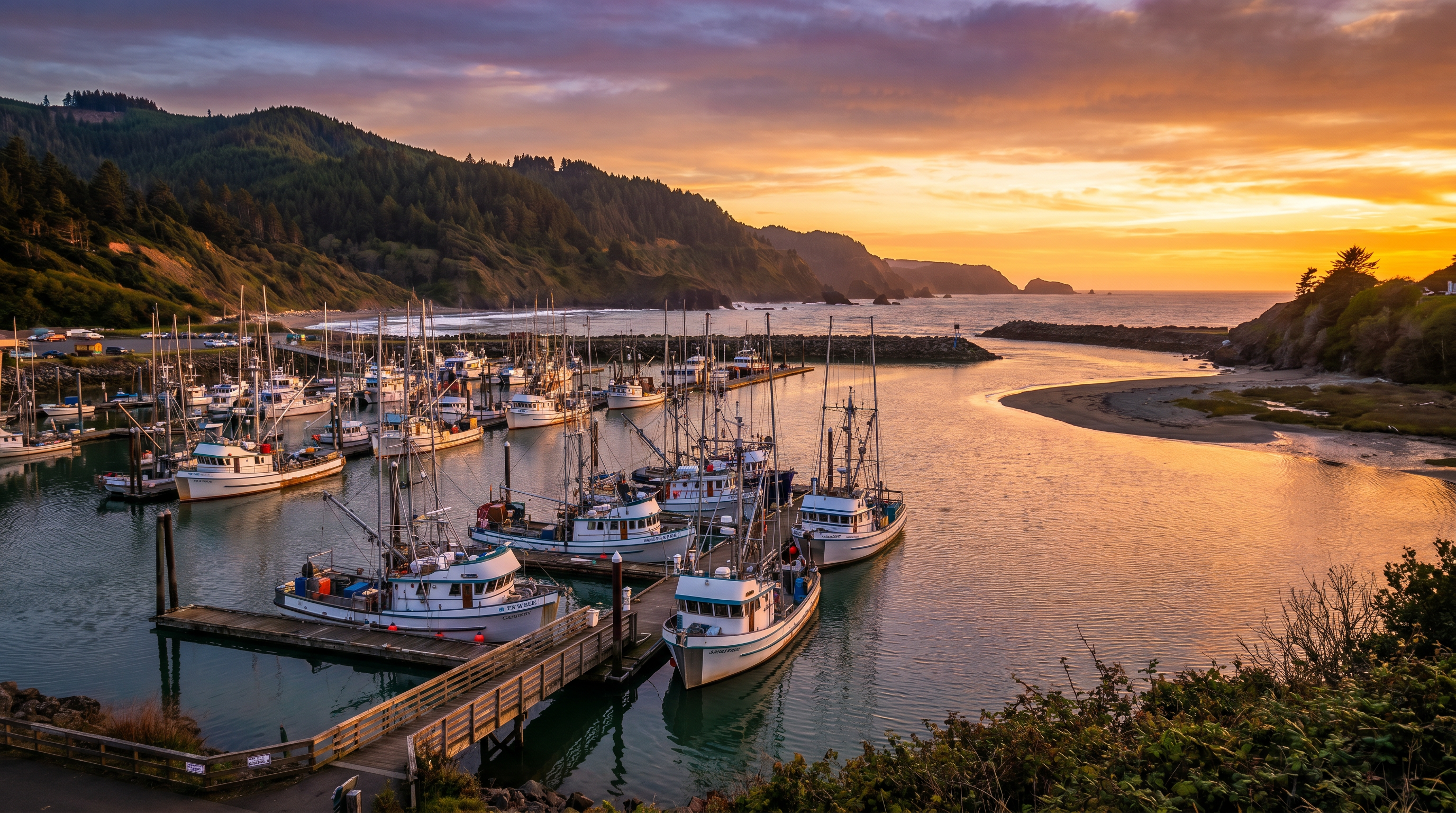
Along the Oregon Coast — from Astoria down through Lincoln City, Newport, Coos Bay, and Brookings — storage facilities face wind, rain, and periodic flooding. Coastal facilities near tidal zones or in FEMA-designated flood zones need to carry flood coverage on their buildings, and renters storing items in ground-floor coastal units should consider whether their belongings are protected against flood. The Cascadia Subduction Zone earthquake risk is present throughout coastal Oregon, and earthquake coverage is a separate policy for both facility operators and renters.
In Southern Oregon — Medford, Ashland, Grants Pass, Klamath Falls — wildfire is the dominant risk. The 2020 Almeda Fire destroyed thousands of structures in the Rogue Valley and fundamentally changed how carriers price commercial property in the region. Facilities in or near the wildland-urban interface face tighter underwriting, higher premiums, and in some cases outright declinations from standard carriers. If you have received a non-renewal notice for your facility's commercial property coverage, read our guide on what to do when your carrier drops you — the surplus lines market is often the most viable path forward for Southern Oregon commercial properties.
In Northern California's Emerald Triangle — Humboldt, Mendocino, and Trinity counties — storage facilities serve a diverse mix of agricultural, cannabis, and rural residential customers. The region's unique risk profile includes wildfire, flooding along the Eel and Trinity rivers, and the storage of agricultural materials that can create pollutant exposure. Our guide to insurance for Northern California's Emerald Triangle covers the broader commercial insurance landscape for this region.
Why an Independent Agent Is the Right Choice for Self Storage Insurance
Self-storage insurance is a specialty line, and not every commercial insurance agent has deep experience placing it. The specialty coverages — customer goods legal liability, sale and disposal liability, limited pollutant removal — are not standard commercial package items, and finding a carrier that bundles them competitively requires access to specialty programs that most captive agents do not have.
Gerald Ross Agency is an independent agency serving the Oregon Coast, Southern Oregon, and Northern California. We have relationships with specialty self-storage programs as well as the surplus lines markets that are essential for facilities in high-risk zones. We can also advise facility operators on Oregon DFR licensing requirements if they want to offer occupant insurance to their customers, and we can help renters evaluate whether their existing homeowners or renters policy provides adequate storage coverage or whether a separate policy is warranted.
For facility operators, we recommend an annual coverage review — not just at renewal, but whenever you add units, upgrade security systems, change your management software, or expand your service offerings. The self-storage industry is evolving quickly, and your insurance program should evolve with it. For renters, the right time to review your storage coverage is before you sign the lease and before you store anything of significant value.
To learn more about the full range of commercial insurance options available through Gerald Ross Agency, or to explore related topics such as RV resort and park insurance or surety bonds for Oregon and Northern California businesses, visit our blog or contact us directly.
Frequently Asked Questions
Does a self storage facility need to carry insurance on renters' belongings?▼
What is Sale and Disposal Liability insurance for self storage?▼
Does my homeowners or renters insurance cover items in a storage unit?▼
Does flood insurance cover items in a storage unit?▼
Can a self storage facility in Oregon sell insurance to its customers?▼
What does Limited Pollutant Removal coverage do for a storage facility?▼
Are self storage facilities in wildfire zones or coastal Oregon harder to insure?▼
Protect Your Facility — or Your Stored Belongings — the Right Way
Whether you operate a self-storage facility in coastal Oregon, the Rogue Valley, or Northern California, or you are a renter trying to understand what your policy actually covers, Gerald Ross Agency has the expertise and carrier relationships to get you the right protection. Call us or request a quote today.