


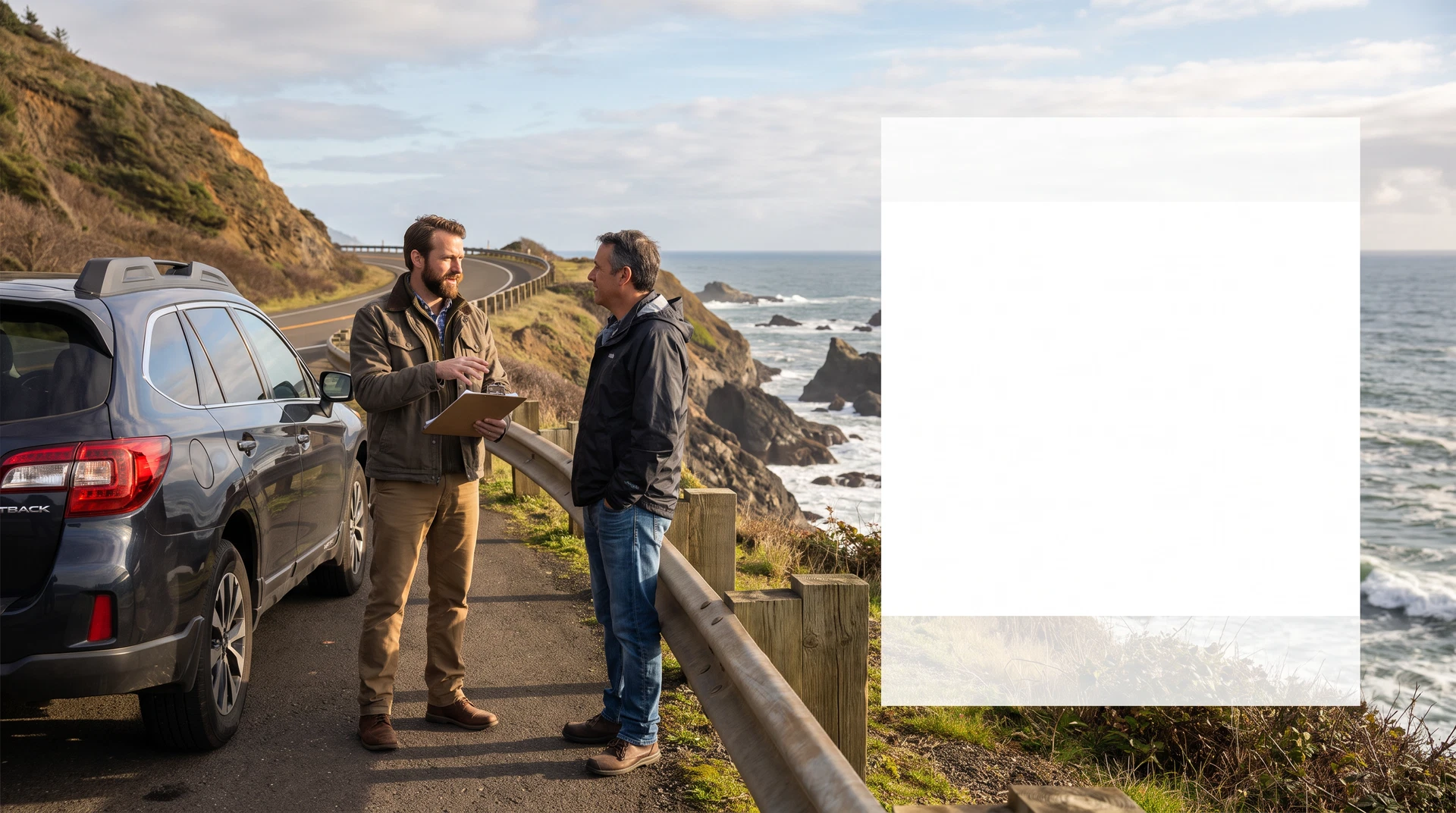

Oregon's commercial fishing industry generated a record $517 million in economic impact on household incomes in 2025. The Dungeness crab fishery alone produced $107.5 million in harvest value — a record. Newport ranks as the highest-value commercial fishing port in Oregon and 14th in the nation. Coos Bay anchors the shrimp industry. Garibaldi and Brookings run crab and bottom fish fleets year-round. And Depoe Bay's charter fleet brings hundreds of thousands of sportfishing and whale-watching passengers aboard every year. Yet behind those numbers is an insurance picture that is genuinely complex — and frequently incomplete. Most small commercial fishing operations carry patchwork coverage assembled over decades that leaves enormous gaps in crew injury protection, pollution liability, and business interruption. This is a practitioner's guide to the full commercial fishing insurance stack, written from the perspective of an agency that has served the Oregon Coast fishing community from Brookings to Newport for generations.
The Jones Act Gap Is the Most Common Underinsurance Problem We See
Standard Oregon workers' compensation does NOT apply to maritime crew members. The Jones Act allows injured seamen to sue for full damages including pain and suffering — but most standard marine policies do not automatically include this coverage. Oregon vessel owners who have not reviewed their P&I policy specifically for Jones Act coverage in the last two years should do so immediately.
Is Your Fishing Operation Properly Covered?
Most Oregon Coast fishing operations carry patchwork coverage with serious gaps in Jones Act, pollution liability, and business interruption. Gerald Ross Agency has served Newport, Coos Bay, Garibaldi, and Brookings fishing communities for decades.
The Commercial Fishing Insurance Stack: What Each Policy Actually Covers
A properly insured commercial fishing operation needs multiple policies that work together. Here is what each layer covers — and what it does not.
| Policy Layer | What It Covers | What It Does NOT Cover |
|---|---|---|
| Hull & Machinery (H&M) | Physical vessel, engines, installed equipment; collision, fire, storm damage | Crew injuries, third-party liability, pollution, cargo |
| Protection & Indemnity (P&I) | Third-party bodily injury, property damage, wreck removal | Does NOT automatically include Jones Act crew coverage |
| Jones Act Coverage | Crew injury lawsuits for negligence; medical costs, lost wages, pain & suffering | Passengers (charter boats need separate passenger liability) |
| Pollution Liability | Fuel spills, oil discharge, environmental cleanup costs, regulatory fines | Intentional discharge, gradual pollution in some policies |
| Catch & Cargo Insurance | Spoilage, damage, or loss of harvest during transport | Vessel damage, crew injuries |
| Business Interruption / Loss of Hire | Lost income and fixed costs while vessel is out of service for covered repairs | Voluntary layup, market downturns, quota closures |
| Fishing Gear & Equipment | Nets, pots, lines, and gear lost overboard or damaged | Wear and tear, gradual deterioration |
The Jones Act: Why Standard Workers' Comp Does Not Protect Your Crew
This is the single most misunderstood coverage gap in the Oregon Coast fishing fleet. When a deckhand on a Newport crab boat slips on a wet deck and breaks his back, the vessel owner's first instinct is often to file a standard workers' compensation claim. That instinct is wrong — and it can be financially catastrophic.
Standard Oregon workers' compensation does not apply to maritime crew members working on vessels in navigable waters. Instead, crew injuries are governed by federal maritime law — primarily the Jones Act (Merchant Marine Act of 1920) and the doctrine of Unseaworthiness. The Jones Act gives injured seamen the right to sue their employer for negligence. Unlike workers' comp, which limits employer liability to scheduled benefits, the Jones Act allows injured crew members to seek full damages including pain and suffering, future lost earnings, and loss of enjoyment of life.
The critical point: most standard marine policies do NOT automatically include Jones Act coverage. It must be specifically requested and confirmed as part of the Protection and Indemnity (P&I) policy. A vessel owner who assumes their P&I policy covers crew injuries under the Jones Act — without verifying — may discover the gap only after a lawsuit is filed. At that point, the personal financial exposure can be enormous.
Hull Insurance: Agreed Value vs. Actual Cash Value
When insuring the physical vessel, Oregon fishing boat owners face a critical choice between two valuation methods that most never fully understand until they file a total-loss claim.
Agreed Value hull insurance pays the pre-agreed value of the vessel if it is a total loss — no depreciation deducted. If you and your insurer agree the vessel is worth $400,000, that is what you receive if the boat is lost. Actual Cash Value (ACV) pays the market value of the vessel at the time of loss, accounting for depreciation. For a 25-year-old but well-maintained Coos Bay crab boat, ACV might be $180,000 — far less than the $350,000 it would cost to replace it with a comparable working vessel.
Many small operators choose ACV policies because the premiums are lower. The savings feel real until a total-loss claim reveals the gap. For any vessel that is the primary income-generating asset of a fishing operation, Agreed Value coverage is almost always the right choice — the premium difference is small compared to the exposure.
Pollution Liability: The Coverage Most Oregon Coast Fishermen Don't Know They're Missing
Under the Oil Pollution Act of 1990 and Oregon state law, vessel owners can be held strictly liable for the cost of cleaning up fuel or oil spills — meaning liability exists even without negligence. A single fuel spill near a protected Oregon Coast estuary, salmon habitat, or Dungeness crab fishing ground can trigger six-figure cleanup costs plus regulatory fines from the Oregon Department of Environmental Quality and the U.S. Coast Guard.
Most basic hull and P&I policies either exclude pollution coverage entirely or include only minimal limits. Oregon fishing vessel operators should confirm their policy includes adequate pollution liability limits — particularly vessels with large fuel tanks operating near sensitive coastal habitats from Brookings to Newport.
Charter Boats and Sportfishing: A Completely Different Insurance Problem
Depoe Bay's whale watching and sportfishing charter fleet runs year-round, bringing hundreds of thousands of passengers aboard vessels in some of the most dramatic Pacific Ocean conditions on the Oregon Coast. The insurance needs of a Depoe Bay charter operator are fundamentally different from a commercial crab boat — and the gaps are just as serious.
Charter boat operators need Passenger Liability coverage for injuries to paying guests — drowning, slip-and-fall accidents, medical emergencies, and seasickness-related incidents. They need to maintain compliance with U.S. Coast Guard Certificate of Inspection requirements, which specify passenger limits, safety equipment, and operational standards. A charter operator whose vessel is not in compliance with USCG requirements at the time of a passenger injury may find their insurance claim denied.
Charter operators also need to verify that their policy covers the vessel when operated by a licensed captain for hire. Some recreational boat policies exclude commercial charter use entirely. And if alcohol is served aboard — as it sometimes is on private charter trips — a liquor liability endorsement becomes necessary under Oregon's dram shop law.
Business Interruption: The Coverage That Could Save a Crab Season
Dungeness crab season runs from December through August, with peak harvest and highest prices in the first few months of the season. For a productive Newport or Coos Bay crabber, a 30-day repair period during peak season can mean $50,000 or more in lost revenue — plus ongoing fixed costs for moorage, loan payments, and crew wages that continue whether the vessel is fishing or not.
Business Interruption (Loss of Hire) insurance covers the vessel owner's lost earnings and fixed costs while the vessel is being repaired following a covered loss. It is one of the most undercarried coverages in the Oregon Coast fishing fleet — and one of the most valuable for operations where income is concentrated in a short seasonal window.
Serving the Oregon Coast Fishing Community Since 1935
From our Brookings office, Gerald Ross Agency has insured fishing operations across the entire Oregon Coast — Newport, Coos Bay, Garibaldi, Depoe Bay, and every port in between. We understand the seasonal economics, the Jones Act exposure, and the coverage gaps that generalist agents miss.
Oregon Coast Fishing Operation Insurance Checklist
Use this checklist to identify gaps in your current coverage. If you cannot confirm any of these items with your current insurer, contact us for a free policy review.
Related Coverage and Local Resources
Frequently Asked Questions: Oregon Coast Commercial Fishing Insurance
What insurance does a commercial fishing vessel in Oregon need?▼
What is the Jones Act and why does it matter for Oregon fishing vessel owners?▼
How is charter boat insurance different from commercial fishing vessel insurance?▼
Does standard workers' compensation cover a commercial fishing crew in Oregon?▼
What is agreed value vs. actual cash value hull insurance for fishing vessels?▼
Do Dungeness crab fishermen need business interruption insurance?▼
What is pollution liability insurance for fishing vessels and why is it required?▼
Don't Let Coverage Gaps Threaten Your Fishing Operation
The Oregon Coast fishing industry runs on thin margins and short seasons. A single coverage gap — in Jones Act protection, pollution liability, or business interruption — can turn a manageable loss into a financial crisis. Gerald Ross Agency has served Newport, Coos Bay, Garibaldi, Depoe Bay, and Brookings fishing operations for generations. Let us review your current coverage and close the gaps.


