

Wildfire Insurance Oregon Coast Guide
A complete guide to wildfire insurance for Oregon Coast homeowners — risk zones, coverage, defensible space, and what to do if your carrier non-renews
Wildfire Insurance Oregon Coast Guide
A complete guide to wildfire insurance for Oregon Coast homeowners — risk zones, coverage, defensible space, and what to do if your carrier non-renews
Or Get A Free QuoteThe Complete Guide to Wildfire Insurance on the Oregon Coast
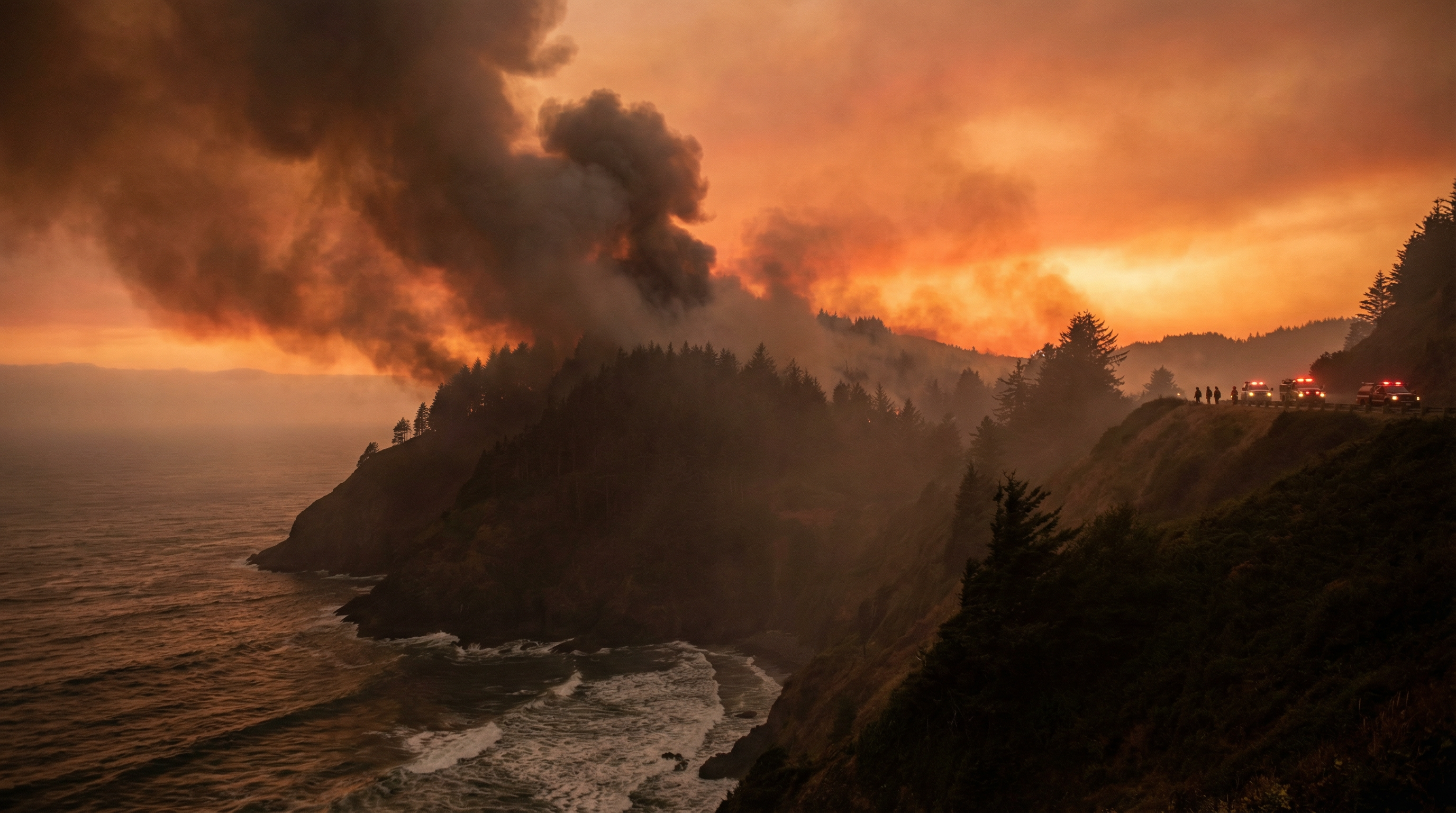
Wildfire is an increasingly significant risk for Oregon Coast homeowners. The 2020 Labor Day fires were the most destructive in Oregon history, burning nearly one million acres across the state. The Chetco Bar Fire threatened Brookings-Harbor directly. The Almeda Fire destroyed thousands of homes in the Rogue Valley just inland from the coast. Oregon Coast communities — particularly those in southern Oregon near the Siskiyou National Forest — face real and growing wildfire risk. This guide explains everything you need to know about wildfire insurance on the Oregon Coast.

Why Choose Gerald Ross Agency?
- Independent agency — we work for you
- Explore coverage options for your needs
- Local Oregon Coast insurance guidance
- Serving Oregon Coast since 1937
- Help comparing coverage and policy terms
- Personalized service and claims advocacy
What's Covered
What Standard Policies Cover
Most standard homeowners policies cover fire damage, including wildfire. However, coverage limitations — inadequate dwelling amounts, depreciated personal property, exclusions for certain structures — can leave you significantly underinsured.
Replacement Cost vs. Actual Cash Value
Replacement cost coverage pays to rebuild your home at current prices. Actual cash value deducts depreciation. After a wildfire, the difference can be hundreds of thousands of dollars — always choose replacement cost.
Extended Replacement Cost
After a major wildfire, construction costs spike due to high demand and limited contractors. Extended replacement cost coverage provides an additional buffer — typically 25–50% above your policy limit.
Additional Living Expenses
Pays for temporary housing, meals, and other living expenses while your home is rebuilt — wildfire rebuilds can take 2–3 years.
Debris Removal
After a wildfire, debris removal — including the removal of toxic ash and contaminated soil — can cost tens of thousands of dollars. Ensure your policy covers debris removal.
Code Upgrade Coverage
Building codes change over time. If your home is destroyed by wildfire, you may be required to rebuild to current codes — which can be significantly more expensive. Code upgrade coverage pays for these additional costs.
Oregon Coast Wildfire Risk: What You Need to Know
Oregon's Wildfire Risk Zones
Oregon has designated wildfire risk zones — High, Very High, and Extreme — based on vegetation, slope, fire history, and other factors. Properties in High and Very High risk zones face the greatest insurance challenges. Check your property's risk zone at the Oregon Department of Forestry website.
The Insurance Market Challenge
As wildfire risk has increased, some insurance companies have restricted or stopped writing policies in high-risk areas. If your carrier has non-renewed your policy or significantly increased your premium, we can help you find alternatives.
Defensible Space
Defensible space — the buffer zone between your home and surrounding vegetation — is one of the most effective ways to reduce wildfire risk. Oregon law requires 30 feet of defensible space around homes in high-risk areas. Maintaining good defensible space may help you qualify for better insurance rates.
Home Hardening
Home hardening measures — Class A fire-resistant roofing, ember-resistant vents, non-combustible siding — can significantly reduce your home's vulnerability to wildfire and may qualify you for insurance discounts.
Frequently Asked Questions
Common questions about this coverage in Oregon.
My insurance company non-renewed my policy due to wildfire risk. What do I do?
How much wildfire coverage do I need?
Does my homeowners policy cover smoke damage from a wildfire?
What is the Oregon FAIR Plan?
How do I find out my property's wildfire risk zone in Oregon?
Still have questions? Contact our team for help.
Get A Free Quote