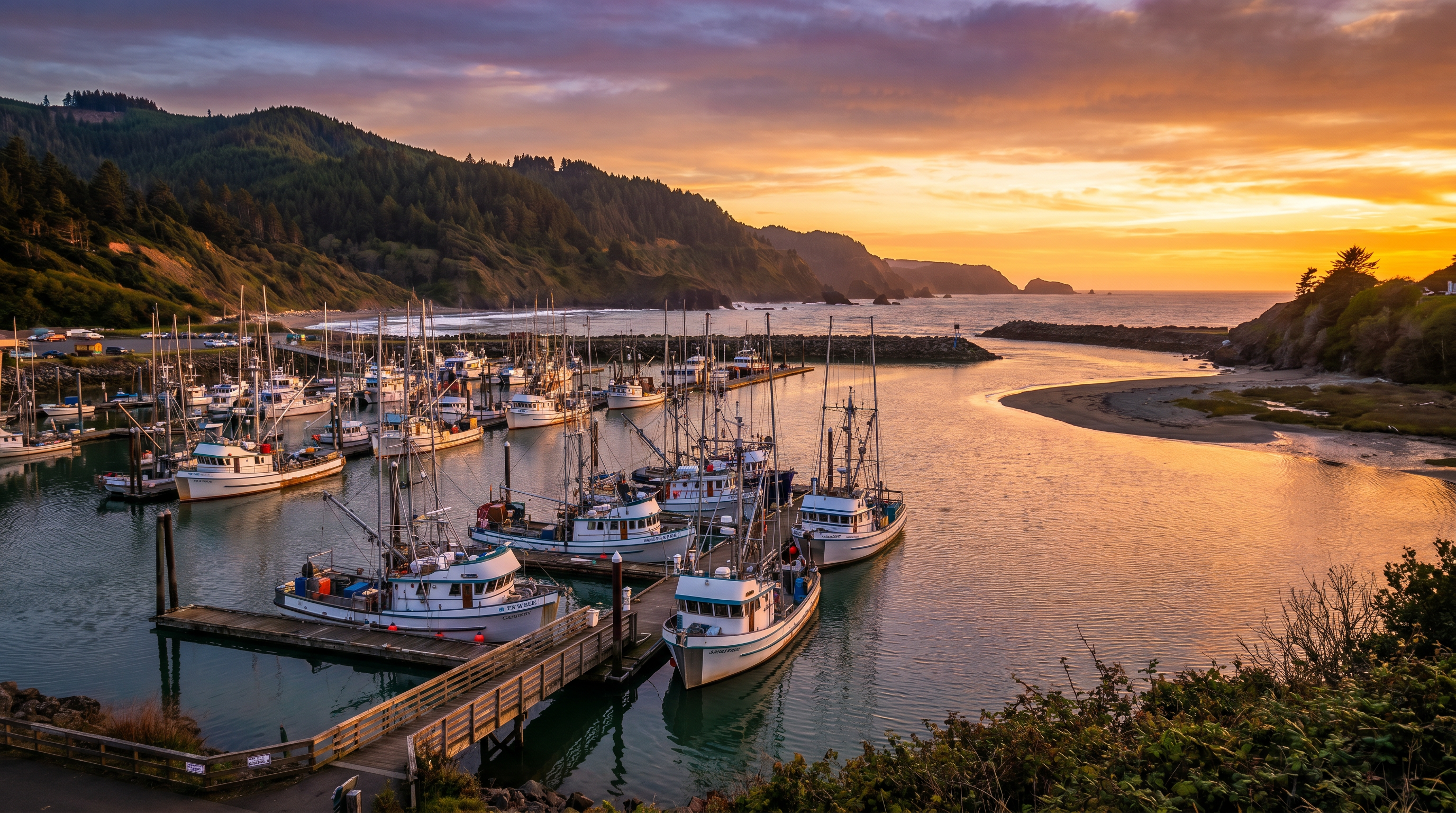
Wildfire Home Hardening Oregon
Fire-resistant upgrades that protect your home and improve your insurability in Oregon Coast's high wildfire risk zones.
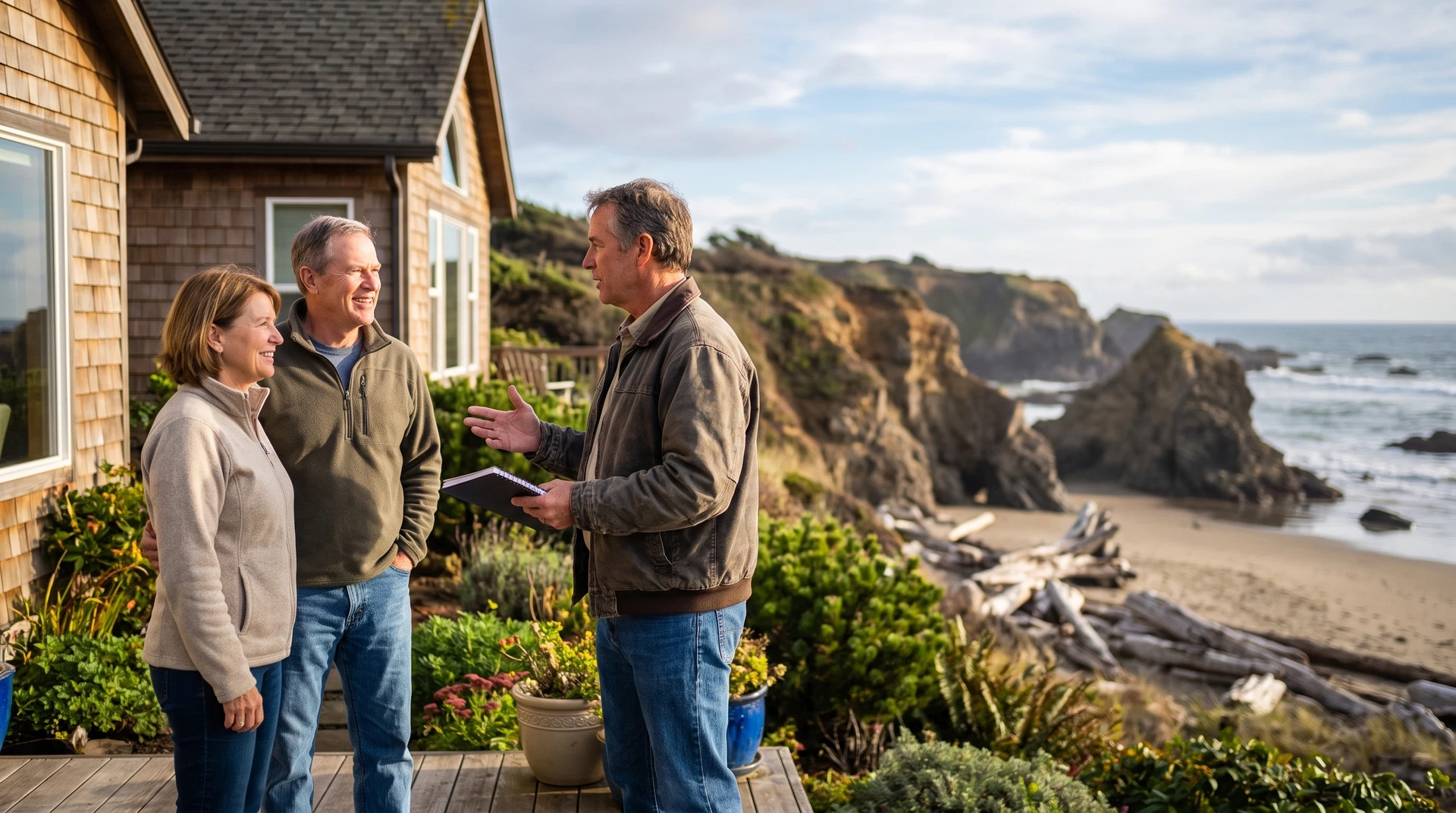
Wildfire Home Hardening Oregon
Fire-resistant upgrades that protect your home and improve your insurability in Oregon Coast's high wildfire risk zones.
Or Get A Free QuoteHome Hardening: Your Best Defense Against Wildfire — and Non-Renewal
Home hardening involves making structural improvements to your home to resist ignition from wildfire embers, radiant heat, and direct flame contact. In Oregon's high-risk wildfire zones, these improvements are increasingly required — not just recommended — to maintain insurance coverage.
Gerald Ross Agency works with specialty carriers who specifically consider documented home hardening improvements when evaluating high-risk properties. If you've been non-renewed, home hardening may be your most effective path back to standard market coverage.

Why Choose Gerald Ross Agency?
- Independent agency — we work for you
- Explore coverage options for your needs
- Local Oregon Coast insurance guidance
- Serving Oregon Coast since 1937
- Help comparing coverage and policy terms
- Personalized service and claims advocacy
Key Home Hardening Improvements
Structural upgrades that reduce wildfire ignition risk and improve insurability
Class A Roofing
Replace wood shake or untreated roofing with Class A fire-resistant materials (metal, tile, or composition shingles). The roof is the most vulnerable part of your home in a wildfire.
Ember-Resistant Vents
Install 1/16" or smaller mesh screens on all vents (attic, eave, crawl space). Embers entering vents are a leading cause of home ignition during wildfires.
Fire-Resistant Siding
Replace combustible wood siding with fiber cement, stucco, brick, or other Class A fire-resistant materials. Protects against both direct flame and radiant heat.
Multi-Pane Windows
Install dual or triple-pane tempered glass windows. Single-pane windows can fail quickly under radiant heat, allowing fire to enter your home.
Non-Combustible Decking
Replace wood decks with composite, concrete, or metal materials. Decks are a major ignition point — embers can accumulate underneath and ignite.
Zone 0 Defensible Space
Clear all combustible materials within 0–5 feet of your home (Zone 0). This includes mulch, wood piles, propane tanks, and vegetation directly against the structure.
Zone 1 Vegetation Management
Maintain 30 feet of defensible space with well-spaced, fire-resistant plants. Remove dead vegetation, prune trees, and create separation between plants.
Enclosed Eaves & Soffits
Enclose open eaves and soffits with fire-resistant materials. Open eaves allow embers to accumulate and ignite the roof structure from below.
How to Get Oregon Wildfire Prepared Home Certification
Step 1: Complete a Wildfire Risk Assessment
Schedule a free wildfire risk assessment from your local fire department, ODF, or a certified home assessor. They'll identify your home's specific vulnerabilities and recommend improvements.
Step 2: Implement Required Improvements
Complete the recommended home hardening improvements. Document all work with photos, receipts, and contractor invoices — this documentation is critical for insurance purposes.
Step 3: Apply for Certification
Submit your documentation to the Oregon Department of Forestry or your local fire safe council. Certification confirms your home meets Oregon's home hardening standards.
Step 4: Share Certification with Gerald Ross Agency
Bring your certification to Gerald Ross Agency. We'll use it to shop specialty carriers and negotiate better coverage options and potentially lower premiums for your certified home.
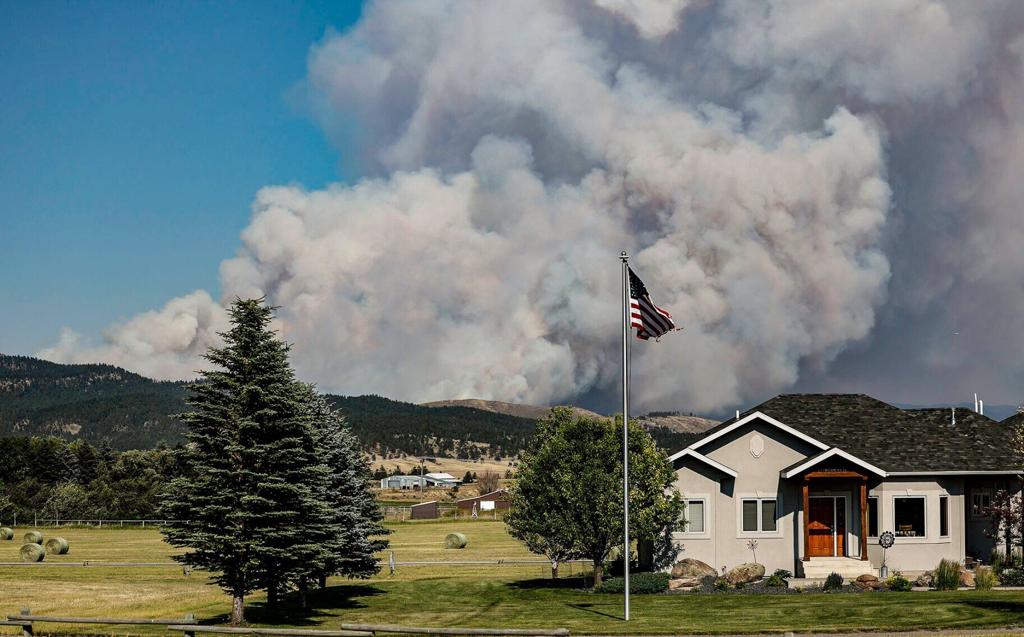
Frequently Asked Questions
Common questions about wildfire home hardening and insurance in Oregon
Can home hardening help me get insurance after a non-renewal in Oregon Coast?
How much does home hardening cost?
Will home hardening lower my insurance premiums?
What is the Oregon Wildfire Prepared Home program?
Still have questions? Contact our team for help.
Get A Free Quote