Public Entity & Municipalities Insurance
Specialized Coverage for Oregon Coast Cities, Counties, Fire Districts & Special Districts
Public Entity & Municipalities Insurance
Specialized Coverage for Oregon Coast Cities, Counties, Fire Districts & Special Districts
Or Get A Free QuotePublic Entity Insurance for Oregon Coast Governments
Oregon Coast cities, counties, fire districts, school districts, port authorities, and special districts face a unique set of liability and property risks that standard commercial insurance policies simply do not address. From law enforcement liability and public officials errors & omissions to cyber attacks on government systems and inverse condemnation claims, public entities require purpose-built insurance programs.
Gerald Ross Agency has deep experience placing public entity insurance for Oregon Coast government bodies. We work with specialty markets and Oregon risk pools to build comprehensive coverage programs that protect your entity, your officials, and the public you serve — at competitive rates that respect tight government budgets.
Why Choose Gerald Ross Agency?
- Independent agency — we work for you
- Explore coverage options for your needs
- Local Oregon Coast insurance guidance
- Serving Oregon Coast since 1937
- Help comparing coverage and policy terms
- Personalized service and claims advocacy
Public Entity Coverage Lines
Comprehensive protection for every aspect of Oregon Coast government operations.
Law Enforcement Liability
Covers civil rights claims, excessive force, wrongful arrest, and Section 1983 claims against police departments and individual officers.
Public Officials E&O
Protects elected officials and government employees from claims of wrongful acts, errors, and omissions in the performance of official duties.
General Liability
Covers bodily injury and property damage claims arising from government operations, public facilities, parks, and events.
Employment Practices Liability
Covers discrimination, harassment, wrongful termination, and other employment-related claims by government employees.
Public Entity Cyber Liability
Covers ransomware attacks, data breaches involving citizen data, system restoration, and regulatory notification requirements.
Commercial Property
Protects government buildings, equipment, vehicles, and infrastructure — including coastal hazard and tsunami zone considerations.
Government Auto Fleet
Covers the entire government vehicle fleet — police cars, fire apparatus, public works trucks, and administrative vehicles.
Workers' Compensation
Covers medical expenses and lost wages for government employees and volunteer firefighters injured in the line of duty.
Volunteer Coverage
Provides accident and liability coverage for volunteers serving government entities, including volunteer firefighters and park volunteers.
Umbrella & Excess Liability
Provides additional limits above primary coverage lines to protect against catastrophic claims that exceed base policy limits.
Surety Bonds
Public official bonds, contractor bonds, and license bonds required by Oregon law for government officials and contractors.
Inland Marine / Equipment
Covers specialized government equipment — generators, communications gear, emergency response equipment — on and off premises.
Why Oregon Coast Public Entities Choose Gerald Ross Agency
Oregon Coast Expertise
Oregon Coast public entities face hazards that inland governments do not — tsunami inundation zones, coastal storm surge, saltwater corrosion of infrastructure, and the unique liability exposures of harbor and port operations. Our agents understand these risks and work with specialty markets that provide appropriate coverage terms.
Access to Specialty Markets
Public entity insurance is a specialty line that requires access to markets beyond standard commercial carriers. Gerald Ross Agency works with specialty insurers and Oregon risk pools — including SDAO, OAWC, and others — to build the right program for your entity's size, services, and risk profile.
Who Needs Public Entity Insurance?
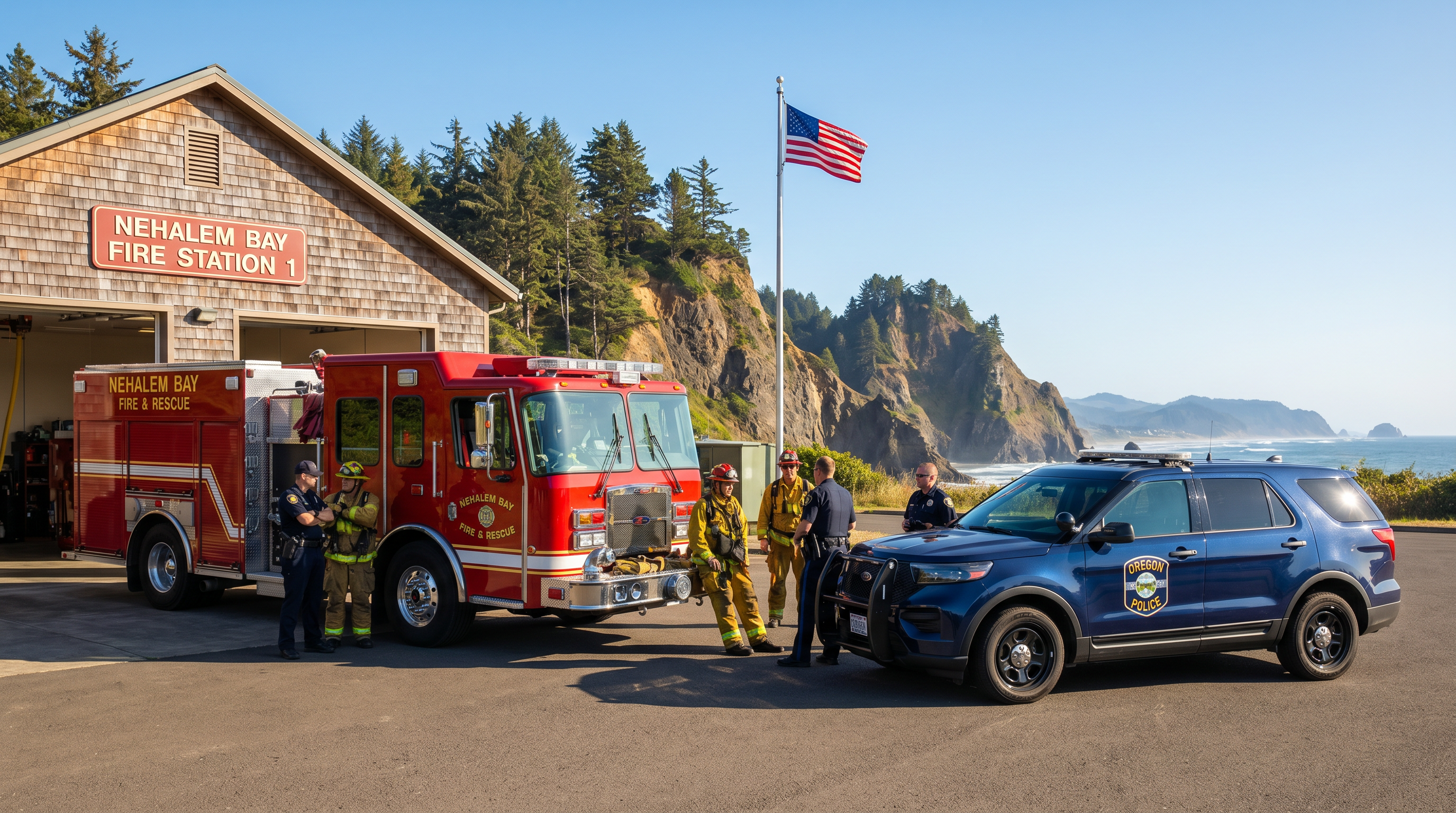
Any government body or quasi-governmental organization that provides services to the public faces unique liability exposures that standard commercial policies do not address.
Public Entity vs. Standard Commercial Coverage
Standard commercial policies leave critical gaps for government entities. Public entity programs are purpose-built to fill those gaps.
| Coverage Area | Standard Commercial | Public Entity Program |
|---|---|---|
| Law Enforcement Liability | ❌ Excluded | ✅ Included |
| Public Officials E&O | ❌ Excluded | ✅ Included |
| Employment Practices Liability | ⚠️ Optional add-on | ✅ Included |
| Civil Rights / Section 1983 Claims | ❌ Excluded | ✅ Included |
| Inverse Condemnation | ❌ Excluded | ✅ Available |
| Public Entity Cyber Liability | ⚠️ Limited | ✅ Broad coverage |
| Volunteer Coverage | ❌ Excluded | ✅ Included |
| Government Auto Fleet | ⚠️ Separate policy needed | ✅ Included |
| Wrongful Acts by Officials | ❌ Excluded | ✅ Included |
| Sovereign Immunity Considerations | ❌ Not addressed | ✅ Oregon-specific terms |
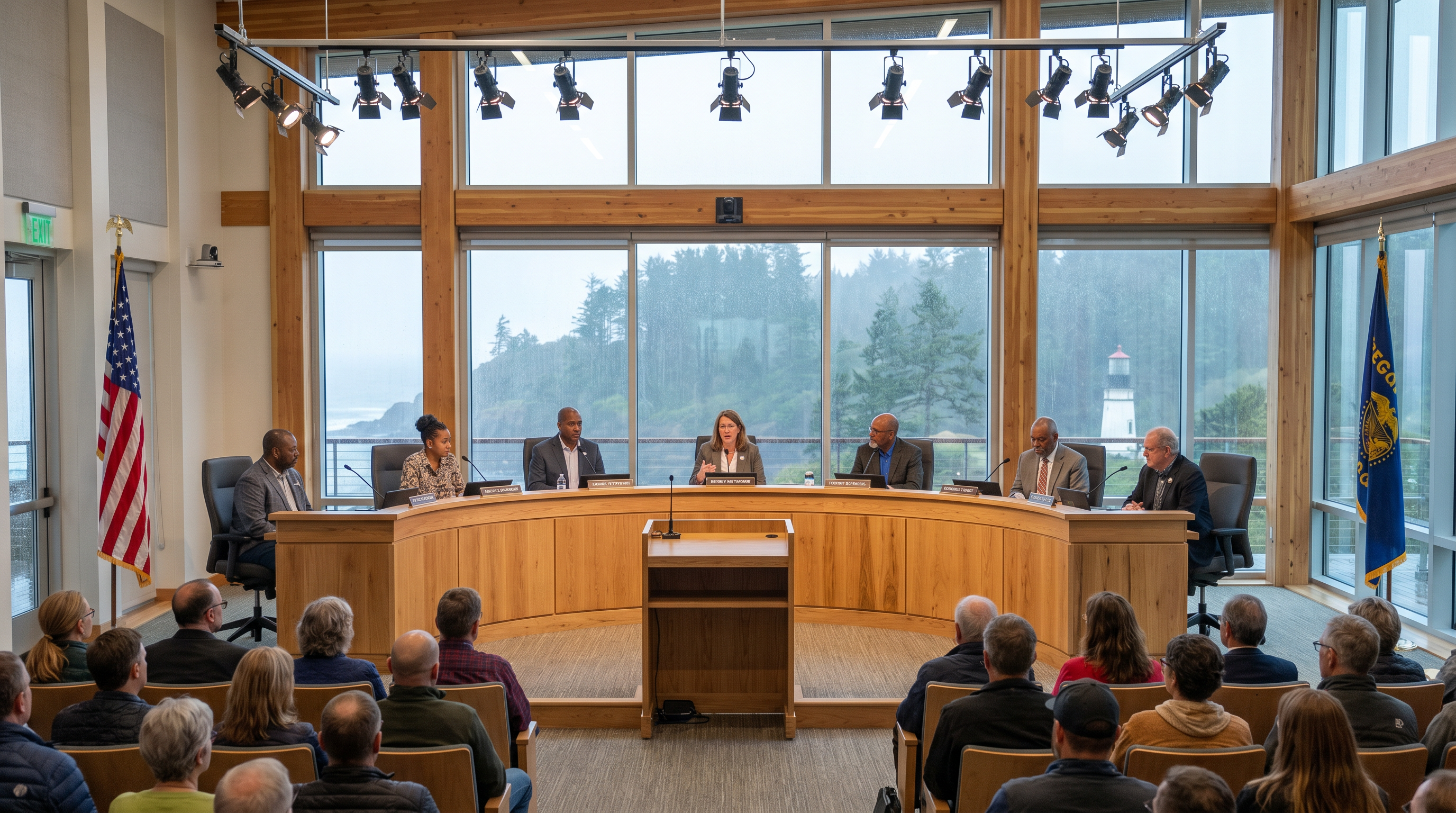
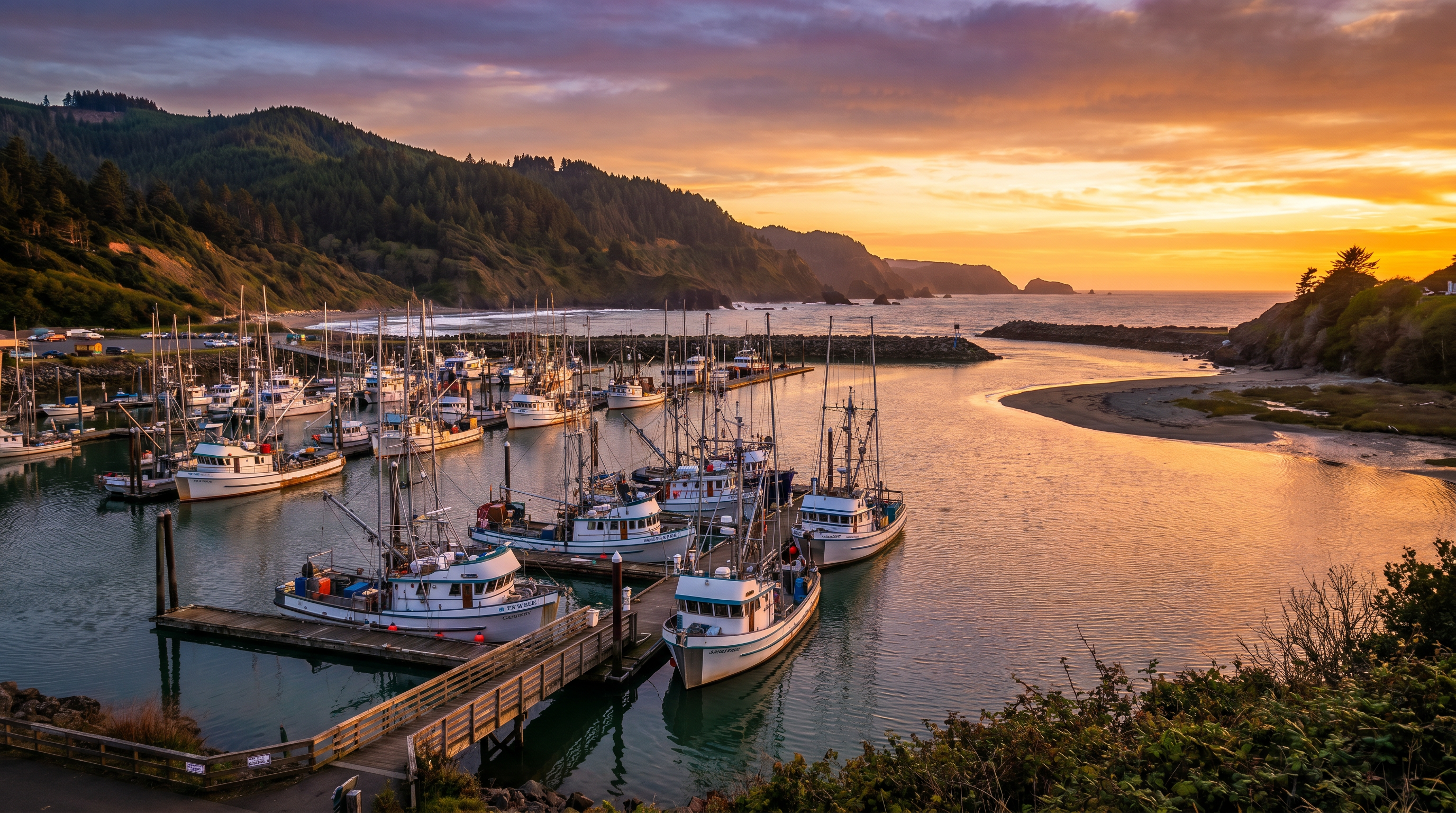
Oregon Coast city councils, county commissions, and special districts all face unique liability exposures that require purpose-built public entity insurance programs.
Key Risk Exposures by Entity Type
Each type of public entity faces distinct liability and property risks. Understanding your specific exposures is the first step to building the right coverage program.
Cities & Municipalities
- ⚠️Slip-and-fall on public sidewalks and parks
- ⚠️Road maintenance liability (potholes, signage failures)
- ⚠️Police department civil rights claims
- ⚠️Employment discrimination and wrongful termination
- ⚠️Cyber attacks on city systems and utility billing
Fire & EMS Districts
- ⚠️Emergency response liability (delayed response claims)
- ⚠️Apparatus accidents and vehicle liability
- ⚠️Firefighter injury and workers' compensation
- ⚠️Volunteer firefighter coverage gaps
- ⚠️Property damage during emergency operations
School Districts
- ⚠️Student injury on school grounds and buses
- ⚠️Sexual misconduct and abuse liability
- ⚠️Special education compliance claims
- ⚠️Employee discrimination and harassment
- ⚠️Cyber incidents involving student data (FERPA)
Port & Water Districts
- ⚠️Marine liability for harbor operations
- ⚠️Environmental contamination liability
- ⚠️Infrastructure failure (water main breaks, dam failures)
- ⚠️Inverse condemnation claims
- ⚠️Boating accident liability at public boat ramps
Is Your Public Entity Properly Covered?
Many Oregon Coast government entities are underinsured or relying on standard commercial policies that exclude their most significant exposures. Let us review your current coverage at no charge.
Oregon-Specific Considerations for Public Entities
Oregon law creates unique insurance requirements and liability considerations for public entities that differ from other states.
Oregon Tort Claims Act
ORS 30.260–30.300 governs claims against public bodies in Oregon. The Act caps damages at $500,000 per claim (as of 2024) but does not eliminate liability — public entities still need insurance to fund defense costs and pay judgments up to the cap.
Oregon Public Entity Pool (OAWC)
Many Oregon public entities participate in risk-sharing pools like the Oregon Association of Water Utilities or Special Districts Association of Oregon (SDAO). We can supplement pool coverage with excess liability and specialty lines where pools have gaps.
Oregon Coast Hazard Exposure
Coastal entities face heightened tsunami, flood, and storm surge risks that standard property programs may exclude or sublimit. We work with specialty markets to ensure coastal government buildings and infrastructure are properly insured.
Real Scenarios: How Public Entity Coverage Protects Oregon Coast Governments
These illustrative scenarios reflect the types of claims Oregon Coast public entities commonly face.
Small Coastal City — Sidewalk Liability
A resident trips on a cracked sidewalk in front of a Gold Beach business, fractures her hip, and files a $350,000 claim against the city. The city's public entity general liability policy covers defense costs and the settlement, protecting the city's general fund from a potentially devastating judgment.
Coverage: Public Entity General LiabilityRural Fire District — Vehicle Accident
A volunteer fire district's engine is responding to a structure fire on Highway 101 when it is struck by an oncoming vehicle. The apparatus is totaled ($480,000 replacement cost) and two firefighters are injured. The district's public entity auto and property coverage pays for the apparatus replacement, and workers' compensation covers the injured firefighters.
Coverage: Public Entity Auto + Workers' CompensationPort Authority — Cyber Incident
A small Oregon Coast port authority's billing system is compromised in a ransomware attack. The attackers encrypt the port's vessel scheduling and billing databases and demand $75,000. The port's public entity cyber liability policy covers the ransom payment, forensic investigation, system restoration, and notification costs — total claim: $140,000.
Coverage: Public Entity Cyber LiabilitySchool District — Employment Practices
A teacher files a wrongful termination and age discrimination claim against a coastal school district after being let go during budget cuts. The district's employment practices liability (EPL) coverage pays for the defense attorney, HR consulting, and ultimately a $95,000 settlement — without touching the district's operating budget.
Coverage: Employment Practices Liability (EPL)What Affects Public Entity Insurance Premiums?
Public entity insurance pricing is driven by a combination of entity size, services provided, loss history, and risk management practices.
| Rating Factor | Lower Premium | Higher Premium |
|---|---|---|
| Entity size (population/employees) | ✅ Small district, few employees | ⚠️ Large municipality, many employees |
| Services provided | ✅ Administrative only | ⚠️ Law enforcement, fire, EMS |
| Loss history (5 years) | ✅ No claims or minor claims | ⚠️ Multiple large claims |
| Risk management program | ✅ Formal safety program, training | ⚠️ No formal risk management |
| Cyber security posture | ✅ MFA, backups, staff training | ⚠️ Outdated systems, no training |
| Property age & condition | ✅ Modern, well-maintained buildings | ⚠️ Older buildings, deferred maintenance |
| Coastal/hazard exposure | ✅ Inland location | ⚠️ Tsunami zone, flood plain |
| Volunteer program | ✅ Formal volunteer management | ⚠️ Informal volunteer use |
Related Coverage for Oregon Coast Public Entities
Frequently Asked Questions
Common questions about public entity and municipalities insurance in Oregon.
What is public entity insurance?
Do Oregon cities and counties need special insurance?
What does law enforcement liability insurance cover?
What is public officials errors & omissions (E&O) insurance?
Can small special districts get public entity insurance?
How does cyber liability apply to public entities?
Does Gerald Ross Agency serve Oregon Coast public entities?
Still have questions? Contact our team for help.
Get A Free Quote