

Key Takeaways
- ✓Lodging insurance is usually a coordinated program—not a single policy—because property, guests, employees, food service, technology, and transportation can create different exposures.
- ✓A motel with only rooms, a coastal resort with events and recreation, and an owner-occupied bed-and-breakfast can need materially different limits and endorsements.
- ✓Business income, equipment breakdown, cyber, liquor, guest-property, and auto questions deserve the same attention as the building and general liability policy.
- ✓Regional weather, wildfire, coastal operations, seasonal staffing, guest amenities, and vendor relationships should be part of an annual coverage review.
A successful lodging business does more than provide a bed for the night. It manages a building, guest expectations, reservations, staff, vendors, equipment, data, and often food, events, recreation, or alcohol service—all while keeping doors open through weather, power interruptions, property damage, and changing travel patterns.
For hotels, motels, resorts, inns, and bed-and-breakfast properties on the Oregon Coast, in the Willamette Valley, across Southern Oregon, and in Northern California, insurance should reflect the business you actually operate, not just the number of guest rooms you have. Hotel coverage is typically a tailored mix of liability, property, business interruption, and industry-specific protections.1
Important: This article is educational insurance guidance, not legal advice or a guarantee of coverage. Actual coverage depends on policy language, limits, deductibles, underwriting, endorsements, exclusions, contracts, and the facts of a claim.
Why Hospitality Businesses Need a Different Insurance Conversation
A lodging property may have rooms, suites, shared hallways, laundry, pools, hot tubs, kitchens, breakfast service, bars, event spaces, parking areas, shuttles, staff housing, docks, boats, trails, or activity partnerships. Each feature can change the insurance conversation. A hotel policy may also need to address guest belongings, emergency evacuation, damaged master keys, and business income during a covered disruption.1
Related coverage: Hospitality Insurance for Oregon Hotels, Motels, Resorts & B&Bs
The Core Coverage Program: Start With the Building, Contents, and Guests
Commercial property and business personal property
Commercial property insurance may address covered loss to the building, furniture, room contents, office equipment, kitchen equipment, linens, tools, signs, landscaping, and other business-owned property. The limits should reflect current rebuilding and replacement costs—not an old purchase price or an outdated estimate. Hotels and motels that own multiple structures, detached cottages, staff areas, storage buildings, or outbuildings should inventory those locations separately.
Related coverage: Commercial Property Insurance
General liability and guest injuries
General liability is a central coverage for hospitality operations because guests, visitors, vendors, and members of the public are present on the property. Slip-and-fall allegations, injuries in common areas, damage to guest property, pool or spa incidents, and claims involving operations can create significant defense and settlement costs. The appropriate limits depend on the property, amenities, contracts, claims history, guest traffic, and operations.
Related coverage: General Liability Insurance
Business income, extra expense, and reopening plans
A building claim can quickly become an income problem. Business-income coverage may help replace qualifying lost income after a covered property loss, while extra-expense coverage may help pay reasonable additional costs to continue or resume operations. The correct period of restoration, payroll approach, seasonal revenue assumptions, and contingency plans matter for properties that depend heavily on peak summer, holiday, harvest, wedding, ski, or event seasons.
| Operation feature | Insurance question to ask | Planning example |
|---|---|---|
| Seasonal property | Does income coverage reflect when the property earns most of its revenue? | Coastal summer occupancy or Willamette Valley harvest travel. |
| Restaurant or breakfast service | Are spoilage, refrigeration, equipment, and food-service liability addressed? | Walk-in cooler, ice machine, kitchen equipment, catered breakfast. |
| Event amenities | Do wedding, conference, pool, spa, or recreation activities change liability limits? | Guest event, reception, guided activity, patio or waterfront access. |
| Owner-occupied B&B | Are personal and business exposures properly separated? | Owner residence, guest rooms, host liquor, personal property. |
People, Food, Alcohol, and Amenities: The Coverage Details That Can Change the Program
Workers’ compensation and seasonal staffing
Housekeepers, front-desk staff, maintenance workers, kitchen employees, event staff, grounds crews, and managers can all face different workplace hazards. A staffing plan should be part of the insurance review, especially for seasonal hiring, temporary roles, staff working across more than one location, and employees who handle food, laundry, cleaning chemicals, ladders, maintenance tools, or guest transport.
Related coverage: Oregon Workers’ Compensation Insurance
Liquor liability, food service, and special events
Alcohol service can change the risk profile of a property. A boutique inn that offers wine at check-in, a resort bar, a banquet room, or an event venue may need to evaluate liquor-related liability separately from basic general liability. Food service can also introduce spoilage, equipment, contamination, vendor-contract, and service-related questions. Bed-and-breakfast programs can include risks with liquor service and restaurant liability, but eligibility and coverage vary by carrier and policy.2
Related guide: Liquor Liability Insurance in Oregon & Northern California
Equipment breakdown and guest comfort systems
A reservation system may be online, but a property cannot operate normally when key mechanical systems fail. HVAC, boilers, electrical panels, pumps, commercial laundry, refrigeration, kitchen equipment, generators, and computer systems can create both repair costs and guest-service disruption. Equipment breakdown coverage is designed for certain electrical or mechanical failures and is commonly evaluated alongside property insurance.3
Review the Lodging Business You Actually Operate
Data, Payments, and Reputation: Cyber Insurance for Lodging Businesses
Hotels and inns often handle guest names, contact information, payment details, reservation data, employee records, Wi-Fi systems, and third-party booking relationships. Cyber liability coverage can be considered for qualifying costs connected to breach response, forensics, business interruption, legal or regulatory defense, crisis management, and cyber extortion, depending on the policy.3 Your agent should understand how reservations are taken, who processes payments, and which systems connect to the property.
Related coverage: Cyber Liability Insurance
Higher Liability Limits, Guest Vehicles, and Water-Adjacent Operations
A property with valet service, a shuttle, a courtesy vehicle, staff driving between locations, golf carts, guest parking, marina access, boat storage, or a recreation partnership may need coverage discussions beyond the core property and liability package. Hotel-industry guidance identifies garagekeepers and non-owned liability as potential concerns where a business handles or is responsible for guest vehicles.3
Some properties also need more liability capacity than their underlying policy provides. A commercial umbrella can offer additional limits above qualifying underlying policies. The decision depends on contracts, guest volume, activities, vehicles, assets, prior claims, and the scale of the operation.
Related coverage: Commercial Umbrella Insurance
For coastal resorts, marina-adjacent lodging, charter partnerships, or businesses that store or coordinate watercraft, a marine coverage review can help identify whether water-related property and liability exposures should be evaluated separately.
Related coverage: Commercial Marine Insurance
Regional Insurance Planning: Four Areas, Different Questions
Oregon Coast
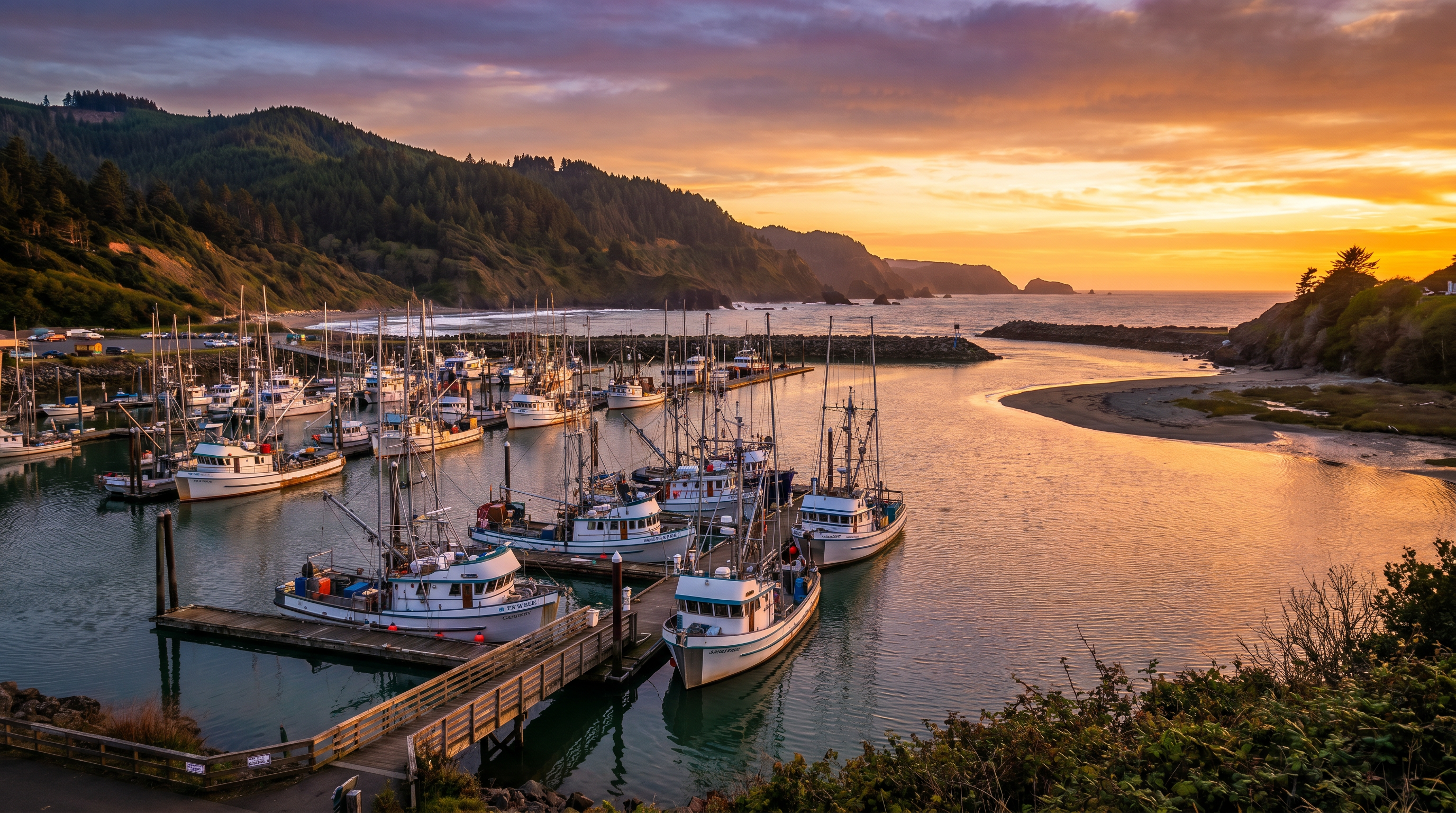
Coastal hotels, motels, inns, and destination properties should plan for seasonal demand, wind and water exposure, guest access to beaches and overlooks, restaurant or seafood operations, and interruption risks after storms or utility disruptions. A location-specific review should account for the building, grounds, amenities, evacuation considerations, and continuity planning.
Willamette Valley
Willamette Valley lodging may serve wine-country visitors, business travelers, weddings, tasting-room guests, farm stays, and festival traffic. Coverage questions can change when a property adds events, transportation, alcohol service, catered food, recreation, or multiple revenue streams beyond overnight lodging.
Southern Oregon
Southern Oregon inns, lodges, resorts, and roadside motels may need to consider wildfire readiness, smoke disruption, rural access, outdoor recreation, guest evacuation planning, and business-income assumptions during travel interruptions. The correct insurance program should be based on underwriting information for the specific property rather than a broad regional label.
Northern California
Northern California lodging businesses can face a mix of destination travel, roadway exposure, wildfire and weather planning, older-building maintenance, seasonal occupancy, and mixed-use hospitality operations. Annual policy reviews are a good time to revisit building values, equipment schedules, staff counts, contracts, and amenities.
Before Peak Season, Make Sure Your Coverage Can Keep Up
Hospitality Insurance Review Checklist
Update the property schedule
List every building, guest room, detached structure, sign, storage area, and major piece of equipment.
Map the guest journey
Note parking, entrance, stairs, elevators, rooms, pools, spas, dining, events, recreation, and any off-site partner activity.
Review seasonal numbers
Compare peak occupancy, payroll, event revenue, and food or alcohol sales with the policy’s current assumptions.
Check income continuity
Consider how long it could take to repair, reopen, replace equipment, rehire staff, and regain reservations after a covered loss.
Review contracts and certificates
Gather franchise, vendor, event, property-management, shuttle, charter, and lease documents that may impose insurance requirements.
Plan for guest data
Identify reservation, payment, Wi-Fi, point-of-sale, employee, and vendor systems before discussing cyber coverage.
Frequently Asked Questions
Does a hotel or motel need a special insurance policy?
Many lodging businesses use a coordinated hospitality or commercial package built around property, liability, and income coverage, with endorsements or specialty policies based on their actual operations. The best fit depends on the property, amenities, guest services, staffing, contracts, and location.
Does standard commercial property insurance cover a hotel’s lost income?
Business-income coverage is generally a separate part of a package or endorsement and is subject to policy conditions. A hotel owner should review the covered causes of loss, waiting period, period of restoration, payroll treatment, and valuation assumptions with an insurance advisor.
Do bed-and-breakfast operations need business coverage if the owner lives on-site?
Owner-occupied B&Bs can have both personal and commercial exposure. Insurance should be reviewed specifically for the lodging operation, guest areas, food or alcohol service, personal property, activities, events, and any structures used by guests.
What happens if a hotel serves alcohol at events?
Alcohol service can create additional liability questions. The appropriate coverage depends on the state, the operation, licensing, how alcohol is sold or served, contracts, and the policy language. Discuss the full facts with an insurance professional before an event or renewal.
Should a motel or resort carry cyber insurance?
Businesses that collect or process guest data, payment information, reservation details, or employee information should evaluate cyber risks with their insurance advisor. The appropriate coverage depends on systems, vendors, security practices, and the policy offered.
How often should lodging insurance be reviewed?
Review it at least annually and again when you renovate, add rooms or amenities, acquire another property, start serving food or alcohol, add vehicles, change management, host events, or experience a material change in revenue or staffing.
Get a Hospitality Insurance Review Before Your Next Busy Season
Whether you operate a coastal motel, a Willamette Valley inn, a Southern Oregon lodge, a Northern California resort, or a bed-and-breakfast with a few guest rooms, a thoughtful insurance review can connect your property, guests, employees, equipment, and income plan. Gerald Ross Agency can help you compare commercial coverage options and identify questions to bring to the right carrier or advisor.
Ready to Protect Your Hospitality Business?
Talk with a local independent agent about your hotel, motel, resort, inn, or bed-and-breakfast insurance program.