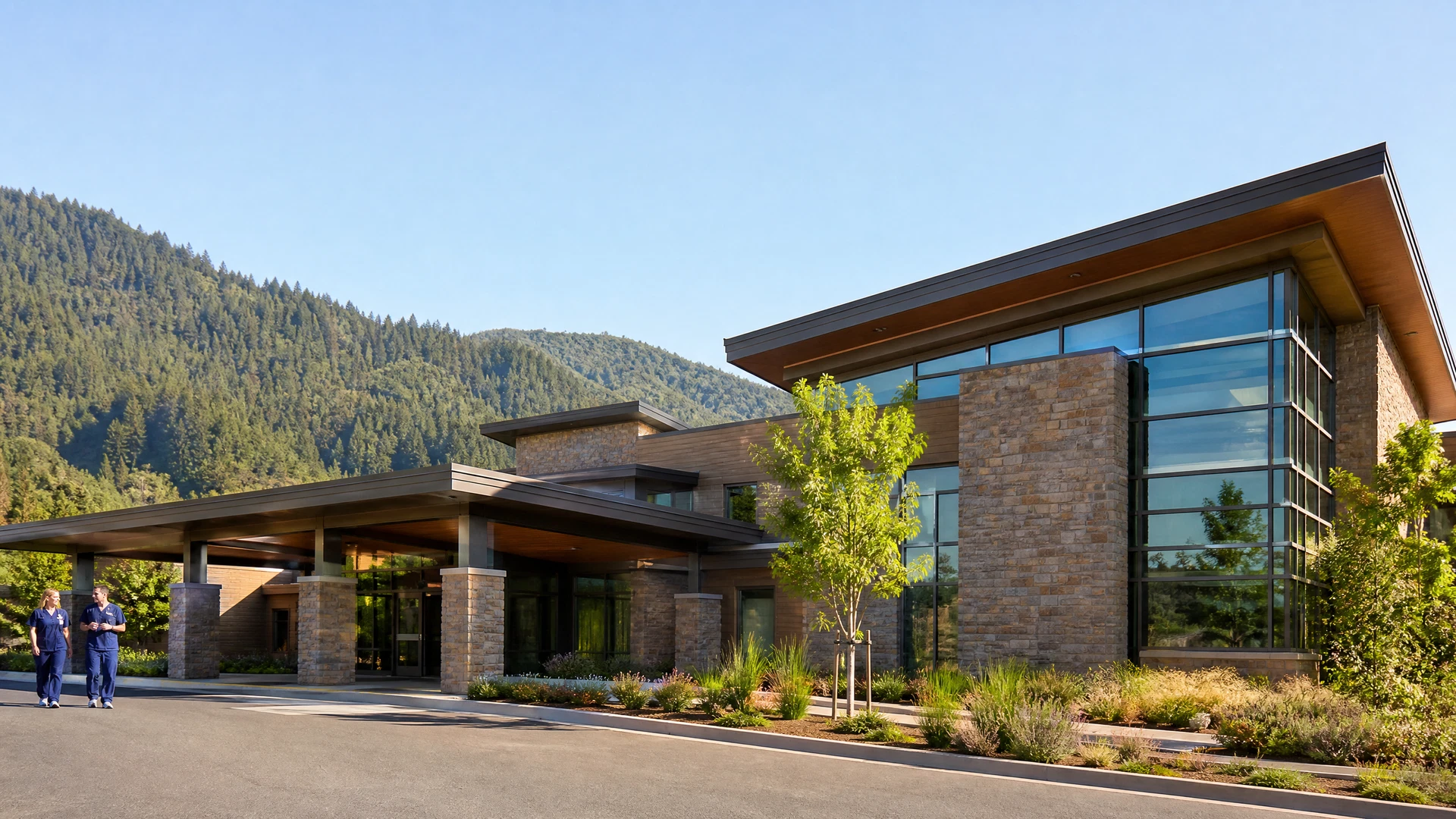

A hospital, clinic, surgery center, therapy practice, home health organization, or other health care facility carries a responsibility that reaches far beyond its buildings. People, clinical services, records, equipment, contracts, and the ability to continue care all need attention. A meaningful insurance review begins with the organization’s actual services and operations—not with a generic business checklist.
Key takeaways
- Review clinical, facility, technology, workforce, and governance exposures together.
- Match policy information to the services delivered, people employed, locations used, and contracts signed.
- Treat emergency planning and cybersecurity as continuity conversations, not side issues.
- Maintain a current file of property, equipment, vendors, incident plans, and insurance documents.
Start with the care setting, not a policy label
A critical-access hospital, multi-site clinic, ambulatory surgery center, dialysis facility, behavioral health provider, rehabilitation facility, hospice agency, and home health organization have different operating models. The first step is to document where care is delivered, which clinical and non-clinical services are offered, how clinicians are engaged, which equipment is essential, what data systems are used, and what third-party contracts create obligations.
That map helps the organization discuss general liability, professional liability, property, cyber, workforce, and management exposures as one connected picture. It also avoids treating a facility as though it has only a building risk or only a clinical risk.
Coverage conversations commonly include
Professional and clinical liability
A review of professional services, employed or contracted clinicians, credentialing, patient interactions, documentation, and the organization’s risk-management practices.
Property and equipment
A review of buildings, tenant improvements, diagnostic or treatment equipment, backup power, stock, and replacement-cost information. See our commercial property insurance resource for the property-side discussion.
Cyber and privacy
A discussion of patient information, clinical platforms, billing systems, vendors, incident response, business interruption, and the role of cyber liability insurance.
Workforce exposures
A review of staffing, safe patient handling, workplace violence prevention, employee injury, and the role of workers’ compensation.
Auto, mobile services, and transport
A review of organization-owned vehicles, transport arrangements, mobile clinics, home visits, and related commercial auto questions.
Governance and contracts
A review of board, executive, employment, fundraising, lease, vendor, and service-agreement obligations that may affect insurance decisions.
Need an organized health care insurance review?
Bring a service description, locations, clinician and employee overview, equipment schedule, key contracts, and current policies. Gerald Ross Agency can help organize the conversation with appropriate insurance specialists.
Emergency readiness affects more than the building
The federal CMS emergency-preparedness guidance highlights four connected elements: risk assessment and planning, a communication plan, policies and procedures, and training and testing. Its risk-assessment examples include geographic hazards, care-related emergencies, power failures, interruptions in communications including cyberattacks, loss of facility space, and loss of supplies. Those are important operational questions to share during an insurance review as well—not proof of coverage and not a substitute for compliance work. CMS outlines these core elements.
For Oregon organizations, the Oregon Health Authority’s licensing and certification resources identify many regulated entity types, including hospitals, ambulatory surgery centers, community mental health centers, dialysis facilities, home health agencies, hospice agencies, rural health clinics, and more. Licensing and insurance are different obligations, but the organization’s exact facility type, locations, and regulatory responsibilities should be described accurately during a policy discussion.
Cyber risk, clinical technology, and continuity planning
Health care organizations increasingly depend on connected records, billing, communication, scheduling, diagnostic, and clinical systems. HHS provides cybersecurity guidance for HIPAA-covered entities and business associates, including resources on incident response, ransomware, and the relationship between security safeguards and common cyberattack risks. A cyber liability insurance review should work alongside—not in place of—privacy, security, vendor-management, backup, access-control, and incident-response practices.
Ask practical continuity questions: How would patient-facing operations continue if a clinical system, phone service, facility wing, pharmacy supply, or critical vendor became unavailable? Who has authority to communicate with patients, staff, insurers, regulators, landlords, and vendors? What records, vendor contacts, and restoration priorities are available outside the affected system?
Staff safety, employment practices, and workers’ compensation
Health care facilities are workplaces as well as care settings. OSHA notes that hospitals face distinct worker-safety challenges and provides resources for safety and health management systems, safe patient handling, and workplace violence prevention. A thoughtful workers’ compensation discussion should reflect job classifications, clinical and non-clinical duties, patient handling, security, field work, transportation, and return-to-work processes.
For facilities serving remote areas, the staffing and continuity conversation may also involve travel, on-call services, mobile operations, and temporary or contracted roles. Describe those arrangements accurately rather than assuming a standard payroll description captures every exposure.
| Operational area | Insurance-review question | Helpful documentation |
|---|---|---|
| Clinical services | Which services are delivered, by whom, and at which locations? | Service list, clinician arrangements, locations, credentialing overview |
| Facility and equipment | What property and equipment are essential to care continuity? | Equipment schedules, values, maintenance, vendor contacts |
| Technology and records | Which systems and vendors are essential to operations? | System inventory, vendor agreements, incident-response outline |
| Workforce and fleet | Who works, travels, transports, or provides home-based services? | Payroll, job descriptions, vehicle list, safety procedures |
Oregon and Northern California facility questions to bring to renewal
Rural and coastal communities may experience distinctive weather, utility, access, staffing, evacuation, smoke, and transportation pressures. Review property locations, wildfire and smoke response procedures, backup power, refrigeration or temperature-sensitive supplies, communication plans, water access, vendor alternatives, and any managed-care, lease, or referral contracts. For facilities with property exposed to wildfire conditions, our wildfire protection technology resource can help frame general property-readiness questions.
Public, nonprofit, and community-serving organizations may also have governance, grant, board, volunteer, or municipal relationships that deserve a separate review. Explore our nonprofit insurance and public entity insurance resources where those organizational structures are relevant.
Health care facility insurance-review checklist
- Update your service, location, ownership, and clinician or employee overview.
- Schedule buildings, tenant improvements, mobile units, medical equipment, and essential supplies accurately.
- Collect key lease, lender, vendor, payer, transportation, and referral agreements.
- Document emergency, communication, cyber-incident, and continuity procedures for discussion with the appropriate advisors.
- Review staffing classifications, vehicle use, home visits, contract workers, and any volunteer or board roles.
Frequently asked questions
What types of health care organizations can benefit from a facility insurance review?
A review may be useful for hospitals, clinics, ambulatory surgery centers, rehabilitation facilities, home health organizations, hospice providers, rural health clinics, dialysis centers, behavioral health facilities, and other care-related organizations. The right insurance structure depends on the services, locations, staffing, contracts, equipment, and regulatory obligations of the organization.
Is professional liability the only insurance a health care facility needs?
No. Professional liability is one important discussion, but facilities commonly need to consider property, general liability, cyber liability, workers’ compensation, management liability, commercial auto, crime, business income, equipment, and contractual exposures as well. The appropriate mix depends on the organization and should be reviewed with qualified insurance and legal advisors.
Why does cyber insurance matter for health care facilities?
Health care organizations may rely on clinical systems, patient information, billing platforms, connected equipment, and third-party vendors. A cyber review can help the organization examine incident response, privacy-related costs, business interruption, vendor responsibilities, and the practical alignment between its safeguards and insurance terms. It does not replace HIPAA compliance or cybersecurity controls.
Can Gerald Ross Agency help Oregon and Northern California health care organizations start an insurance review?
Gerald Ross Agency can help organizations in its Oregon and Northern California service area organize a conversation around services, facilities, staffing, contracts, property, technology, and current insurance documents. Coverage availability and terms vary by organization and insurer.
Let’s organize the health care facility insurance conversation
Gerald Ross Agency can begin with the services, staff, facilities, technology, contracts, and current policies behind your organization.
Related coverage and resources
Sources and further reading
For current regulatory and risk-management guidance, consult CMS emergency-preparedness guidance, HHS cybersecurity guidance, OSHA hospital worker-safety resources, and Oregon Health Authority facility licensing resources. This article is educational, not legal, clinical, regulatory, or insurance-coverage advice.