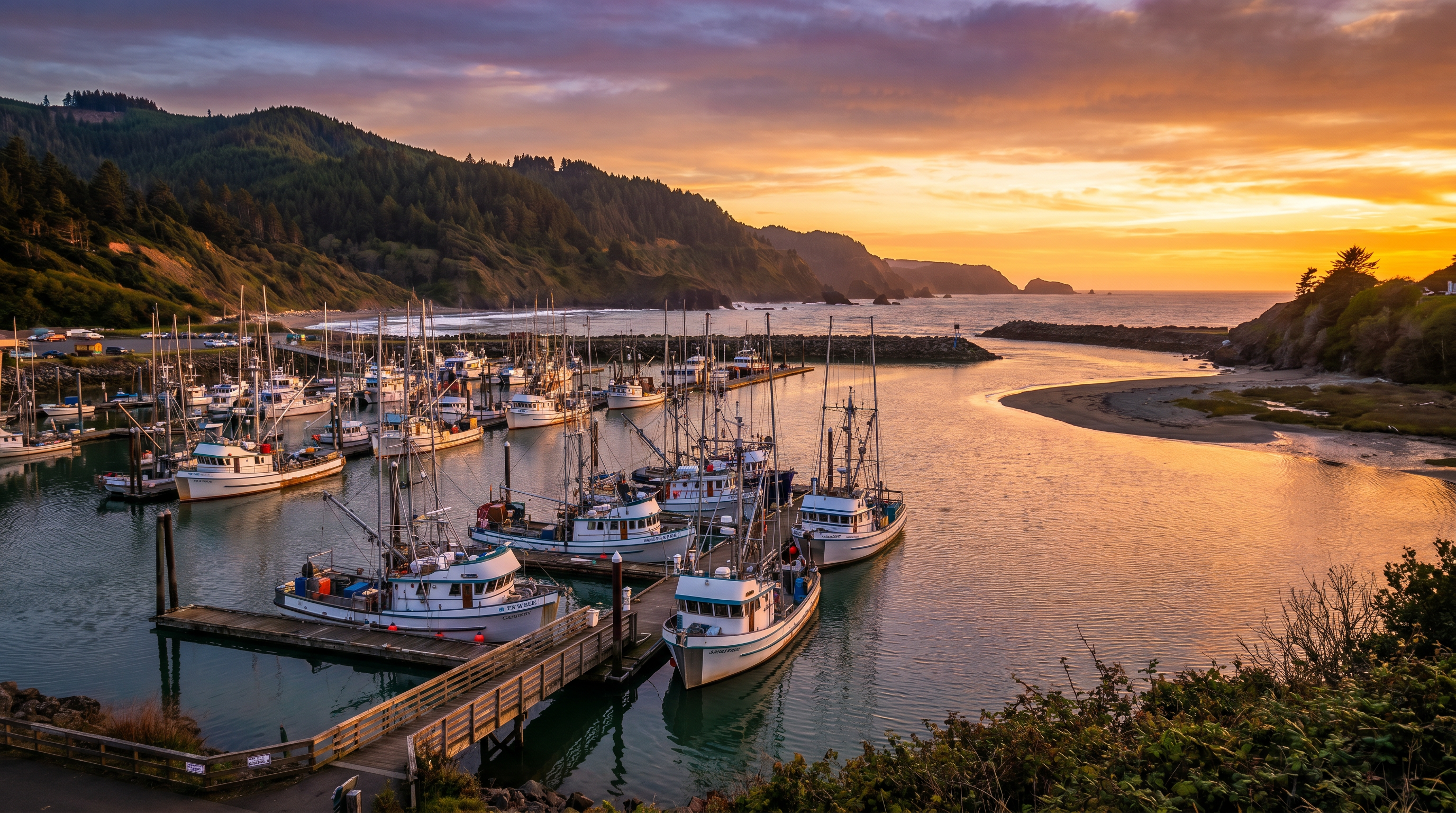



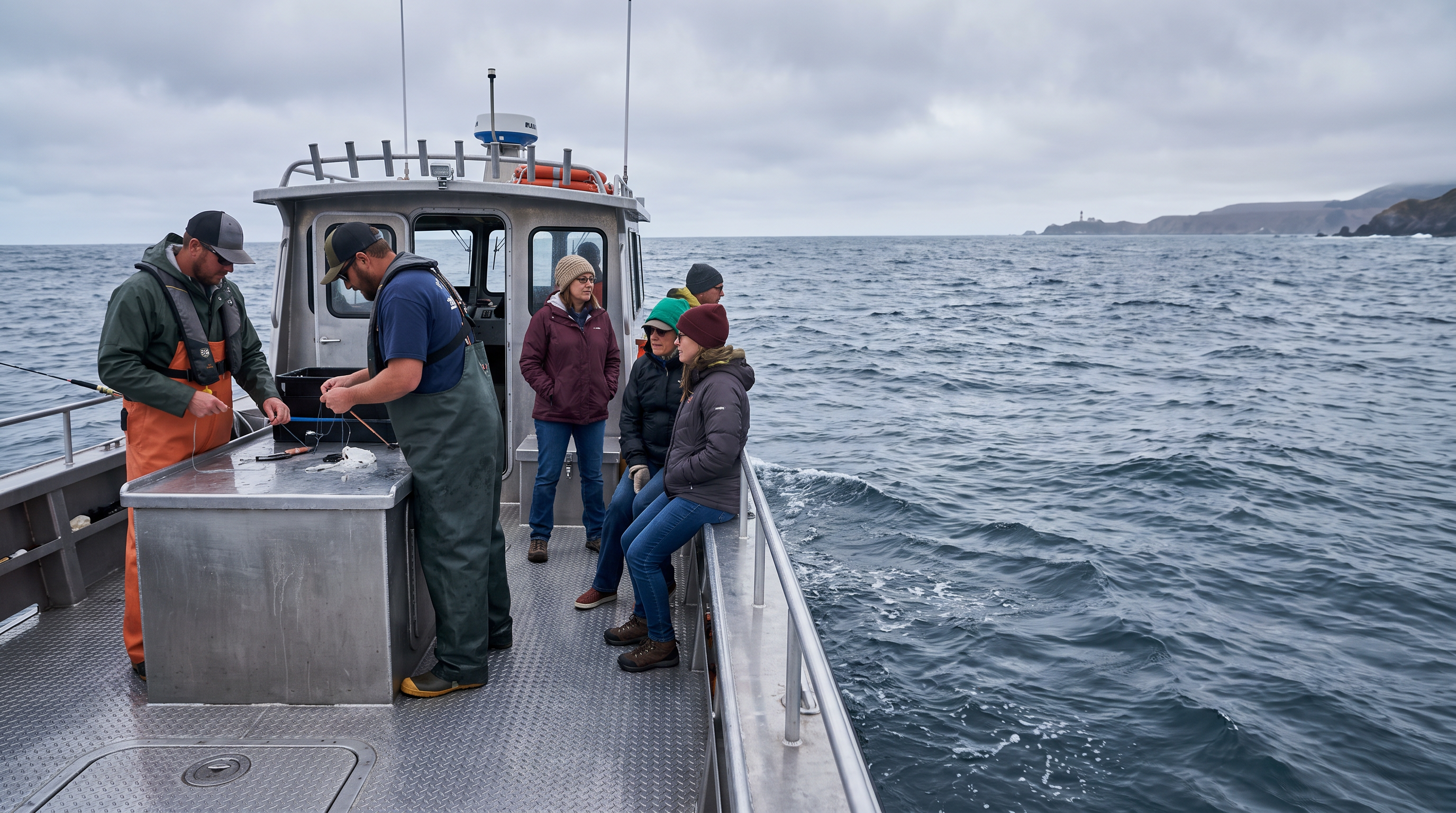

A successful charter day puts a great deal in motion at once: the vessel, gear, passenger expectations, crew, dock activity, changing weather, and a business schedule that can be packed into a short season. For operators from the Oregon Coast to Northern California, a useful insurance review starts with the reality of that operation—not with a generic business-policy checklist. Commercial marine insurance can be structured around the vessel and on-water work, while other policies may address the shore-side pieces that keep the business running.
Key takeaways for charter operators
- Review passenger, crew, vessel, and shore-side exposures as one operating picture.
- Confirm that your insurance reflects actual navigation territory and charter activity.
- Keep vessel, equipment, maintenance, and safety documentation organized before the season begins.
- Check marina, dock, guide, and contract requirements before signing or renewing agreements.
Begin with the way your charter actually operates
A half-day nearshore trip, a longer offshore charter, a guide service using smaller watercraft, and a business with a dockside office do not present the same insurance questions. The first discussion should map the vessel or vessels, passenger service, crew status, operating waters, tender or trailer use, equipment, and any shore-side sales or storage. This approach also helps separate the commercial operation from any personal boat insurance policy that may not be intended for passenger-for-hire work.
The goal is not to promise that every loss will be covered. It is to identify questions early: whether vessel values are current, which people are considered crew, what work occurs away from the boat, what contracts require, and whether the policy language matches the operation. A review can also coordinate shore-side general liability insurance with the commercial marine portion of the program.
Coverage conversations commonly include
Marine liability
A discussion of third-party, passenger, and other on-water liability exposures tied to the charter service.
Hull and equipment
A review of the vessel, installed equipment, electronics, safety equipment, and the valuation approach used.
Crew and employee exposures
A review of crew roles, payroll, work locations, and how maritime obligations may interact with workers’ compensation.
Shore-side operations
Dock, office, parking, storage, retail, booking, and customer-contact exposures that happen away from the vessel.
Auto and trailers
A review of business-owned or hired vehicles, trailers, and equipment movement with commercial auto needs.
Business income planning
Questions about seasonal revenue, repair downtime, substitute vessels, vendors, and operating expenses after a disruption.
| Operational area | Insurance-review question | Helpful documentation |
|---|---|---|
| Passenger trips | Do passenger service, limits, and contracts match the planned charters? | Current charter forms, passenger capacity, trip profile |
| Crew work | Who works aboard and what duties, payroll, or agreements apply? | Role descriptions, payroll records, crew agreements |
| Vessel and gear | Are values and equipment schedules current? | Photos, receipts, maintenance and inventory records |
| Dock and office | What happens before boarding or after returning to shore? | Lease or berth terms, certificates, property list |
Need a charter-operation insurance review?
Bring your vessel details, current policies, passenger-service description, and any dock or marina requirements. Gerald Ross Agency can help you organize the questions for a commercial marine conversation.
Passenger, crew, and compliance questions should be discussed together
Passenger trips create a different risk picture than private recreational boating. Operators should be able to explain who is aboard, who is working, what safety practices are used, which waters are contemplated, and how the operation communicates changes or cancellations. Coast Guard requirements and local port, marina, or contract requirements can vary with the vessel and service, so operators should confirm current requirements directly with the relevant authorities and their professional advisors.
Crew arrangements deserve equal attention. A policy discussion should account for every person who works on or supports the charter business, including part-time help and shore-side staff. Reviewing workers’ compensation alongside maritime and employment considerations helps ensure the agency, operator, and specialist markets are discussing the same role descriptions and exposures.
Oregon and Northern California details that belong in the review
The coastal operating environment changes quickly. Seasonal schedules, bar crossings, offshore routes, weather-related cancellations, marina congestion, remote repair access, and charter-specific equipment all affect the practical questions a business needs to ask. Operators working from ports in Oregon or Northern California may also have different berthing, certificate, vendor, or contract requirements to document from year to year.
Many operations have more than a vessel to protect. A charter business may use a truck and trailer, run a booking office, store gear, work with docks or marinas, or sell related services. Reviewing commercial auto insurance and the onshore business activities at the same time can help prevent a vessel-only conversation from overlooking operational gaps.
Build a practical pre-season file
A current, well-organized file makes renewal and claims conversations easier. Keep clear vessel and equipment photos, serial numbers, purchase or valuation records, maintenance logs, crew and emergency contacts, current certificates, berth or dock contracts, and any guide-service agreements. The same discipline applies to the wider waterfront operation; our marina, boatyard, and marine-service insurance guide is a helpful companion for businesses with significant dockside or storage activity.
Pre-season readiness checklist
- Update vessel, equipment, and electronics schedules with current values and photos.
- Confirm operating territory, passenger service, crew roles, and contracts are accurately described.
- Review certificates required by ports, marinas, lenders, or charter partners.
- Plan how you will document maintenance, safety procedures, weather cancellations, and customer communication.
- Identify the person who will handle insurance, vendor, and customer communications after a disruption.
Frequently asked questions
What insurance should a fishing charter operator review?
A charter operator should review marine liability or Protection and Indemnity coverage, hull and machinery coverage, passenger and crew injury exposures, shore-side liability, business property, equipment, commercial auto where applicable, and business-income needs. The appropriate package depends on the vessel, passenger service, crew arrangement, operating waters, and the contracts or port requirements involved.
Does a regular business policy cover a charter boat?
Standard business policies often contain watercraft or commercial-marine limitations. A charter operator should have its policies reviewed for the actual vessel operations, passenger service, crew responsibilities, and shore-side work rather than assuming a standard business policy addresses those exposures.
What should charter operators confirm before their busy season?
Before the busy season, operators should confirm vessel values, passenger capacity assumptions, crew arrangements, navigation territory, tender and equipment schedules, dock or marina contract requirements, emergency contacts, and business-continuity plans. They should also retain current maintenance, licensing, inspection, and safety documentation in an organized location.
Can Gerald Ross Agency help charter operators in Northern California as well as Oregon?
Gerald Ross Agency can discuss commercial marine insurance needs with charter operators throughout its Oregon and Northern California service area and help organize a conversation around vessel operations, passenger service, shore-side activity, and insurance-review questions.
Let’s review the operation behind the charter
Whether you operate from Oregon or Northern California, a focused review can begin with your vessel, passenger service, crew, shore-side activity, and current insurance documents.