
Key Takeaways
- ✓Adventure tour insurance starts with the activities you actually lead—not a generic “tour company” description.
- ✓For registered Oregon Outfitter Guides, Travel Oregon says at least $500,000 per-occurrence liability insurance is required; higher or different limits may be required by a permit, contract, land manager, or business partner.1
- ✓General liability is important, but it may not address every exposure involving employee injuries, vehicles, watercraft, equipment, client property, cyber payments, or professional services.
- ✓Waivers, training, emergency planning, permits, and certificates of insurance are operational tools—not substitutes for reading the policy and matching it to the operation.
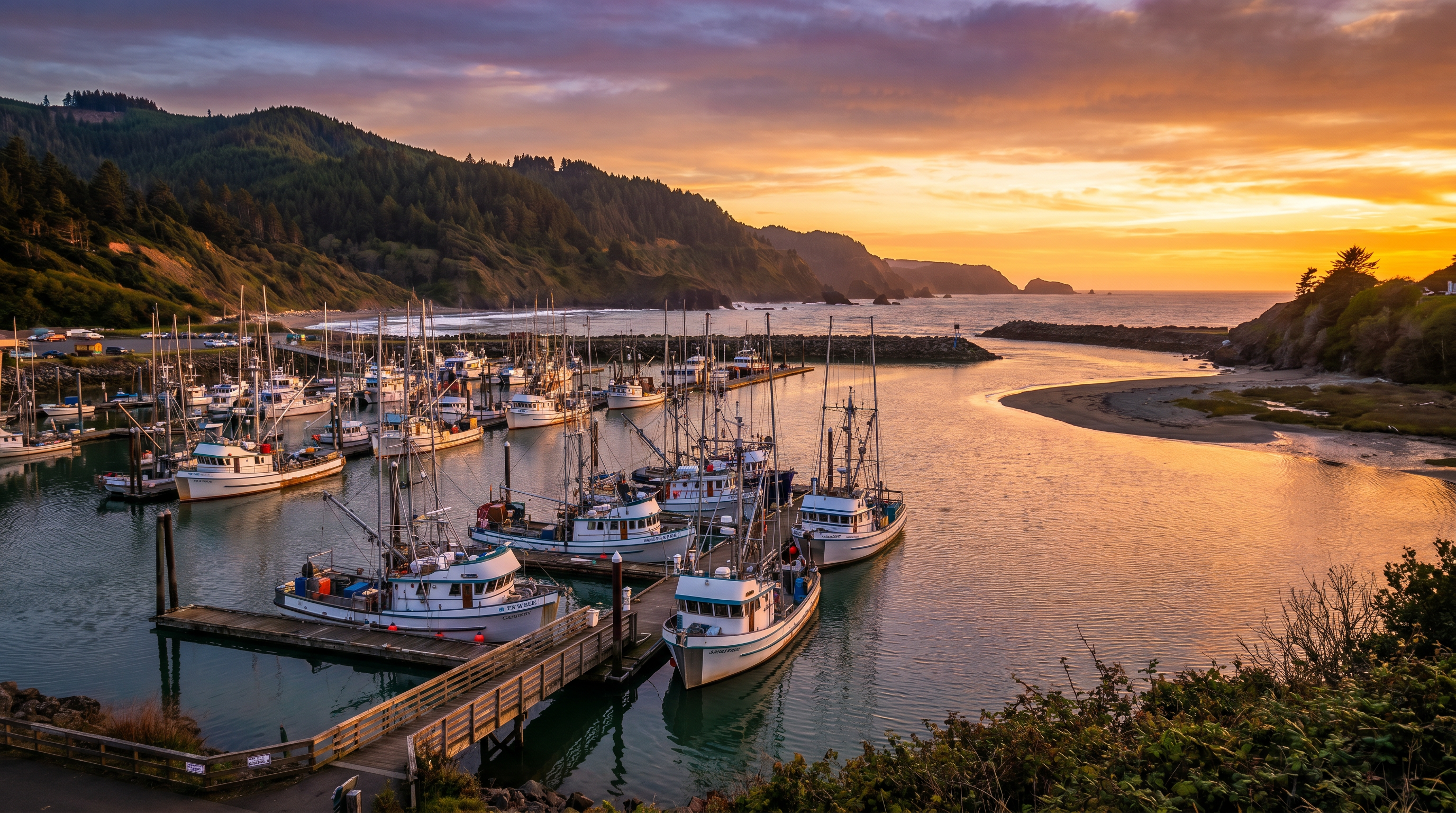
Oregon and Northern California give adventure businesses an unusually broad operating canvas: guided river trips, coastal paddles, wildlife tours, fishing charters, cycling excursions, hiking and climbing outings, educational field programs, shuttle-supported trips, and other guest-facing experiences. That range is a strength—but it also means that one operator’s insurance needs can look very different from another’s. A sightseeing business, a whitewater guide, and a coastal kayak outfitter should not assume they have the same coverage simply because each sells a “tour.”
This article is educational, not legal advice or a promise of coverage. Insurance terms, eligibility, exclusions, limits, permits, participant requirements, and carrier availability vary. The purpose of a coverage review is to describe the operation accurately, identify questions early, and compare the policy language with the business you are actually running.
Why “Adventure Tour” Is an Underwriting Description, Not a Coverage Answer
Carriers and underwriters typically need details that a public-facing website or waiver may not capture: every activity offered, the terrain or water involved, the ages and experience of participants, guide credentials, whether guests use company-owned equipment, overnight elements, transport arrangements, subcontracted guides, seasonal shutdowns, alcohol exposure, international guests, and any permit or land-manager requirements. Travel Oregon explicitly notes that a travel agency and a whitewater tour operator require different insurance, and advises operators to confirm that guest activities are actually covered.1
Start the conversation with your entire operation rather than the single activity you market most heavily. A guided mountain-bike company may also shuttle guests. A rafting operator may store boats and gear in a warehouse. A coastal wildlife business may transport guests to a launch point. Each added part of the business can change the coverage questions.
Start here: Commercial Insurance for Oregon and Northern California Businesses
The Core Coverage Conversation for Guides and Outfitters
Commercial general liability insurance is often the foundation for a guest-facing adventure operation because it may respond to covered allegations of bodily injury, property damage, and related defense costs. However, an operator should never assume a standard form automatically includes every guided activity, location, participant category, or equipment use. Ask whether the exact activity classifications, water or terrain exposures, off-premises operations, and contractual requirements are scheduled or otherwise contemplated by the policy.
Many operators also consider commercial umbrella insurance when their contracts, permits, landlord agreements, or business relationships require limits above the underlying liability policy. A higher limit does not repair an exclusion, so it is important to review the underlying policy and umbrella together rather than treating the umbrella as a catch-all.
| Business exposure | Questions to raise in a coverage review |
|---|---|
| Guided guest activities | Are each of the activities, participant ages, locations, and any high-hazard elements accurately described? |
| Client waivers and contracts | Does the permit, venue, partner, or land-manager contract require additional insured status, specific limits, or a certificate? |
| Gear and equipment | How are boats, bikes, ropes, electronics, safety gear, trailers, stock, or rented equipment valued and protected? |
| People and payroll | Which guides are employees, contractors, seasonal workers, or volunteers, and what does the applicable law and contract require? |
| Transportation and bookings | Do you drive guests, tow gear, take online payments, retain passport/medical data, or use third-party booking platforms? |
Describe the Operation Before You Ask for a Quote
Equipment, Vehicles, Watercraft, and Property: Do Not Leave the “Back of House” Out
Tour revenue depends on operational assets. Depending on the business, that could include company gear, rental equipment, trailers, computers, radios, docks, storage buildings, inventory, and customer property in your care. A Business Owners Policy may combine certain property and liability protections for eligible businesses, while larger or more specialized operators may need a different structure. The right valuation method, deductible, off-premises extension, and equipment schedule are as important as the policy label.
If the company transports guests, guides, or equipment, discuss commercial auto insurance and the actual drivers, passenger use, trailers, routes, and vehicle ownership. If the operation uses boats, charter arrangements, docks, or marine equipment, a separate marine insurance review may be relevant. Do not assume a vehicle policy covers watercraft or that a personal boat policy addresses commercial use.
People Risk: Employees, Seasonal Staff, Volunteers, and Independent Guides
Outdoor recreation businesses often rely on a mix of full-time managers, seasonal guides, instructors, part-time staff, volunteers, and independent contractors. The label applied to a person does not by itself settle an insurance or legal obligation. Review the real relationship, payroll, contracts, supervision, equipment ownership, and state requirements with qualified advisers. For employees, workers’ compensation insurance is a central coverage conversation because work injuries can arise during instruction, preparation, driving, equipment handling, and field operations—not only during the tour itself.
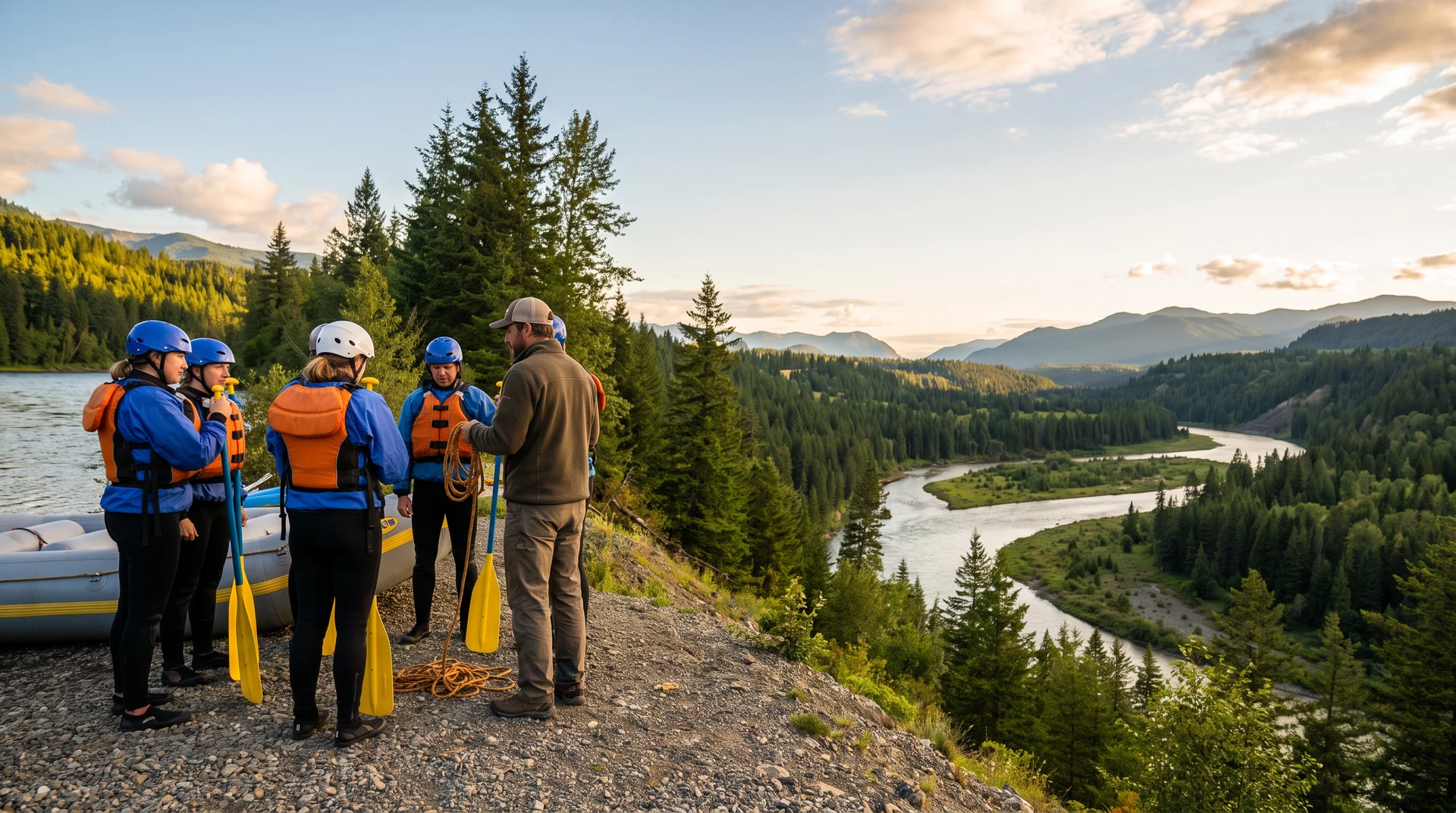
Oregon Sea Grant’s Guide & Tour Operator (GORP) program highlights the operational side of this question: group management, customer service, sustainability, natural-resource awareness, local knowledge, interpretation, and industry practices all shape a guide’s work.2 Training and documentation do not guarantee insurance coverage, but they can help operators make their activities and risk controls easier to explain.
Related coverage: Workers’ Compensation for Oregon Businesses
Waivers, Permits, and Certificates of Insurance Belong in the Same Conversation
A participant waiver may be a valuable risk-management and communication tool, but it is not insurance. A permit, property owner, municipality, university, lodge, public land manager, event organizer, or booking partner may ask for a certificate of insurance, additional insured wording, primary and noncontributory language, waiver of subrogation, or a defined limit. Share those requirements before coverage is bound—not after an agreement has been signed or a trip date is approaching.
For operators in California, the California Department of Insurance advises businesses to work with a properly licensed broker-agent and to review the operation’s exposures, classifications, exclusions, endorsements, and limits. Commercial insurance can address broad loss categories such as property damage, business interruption, theft, liability, and worker injury, but the fit depends on the individual business.3
Digital Bookings, Participant Data, and Cyber Risk
Adventure operators commonly collect names, contact information, payments, waiver signatures, emergency contacts, and sometimes medical or dietary information through booking software. A cyber incident can disrupt reservations, create notification costs, or lead to allegations involving data handling. A cyber liability insurance conversation should include the booking platforms, payment processors, online waiver tools, employee access, backups, and the plan for responding if systems become unavailable during a busy season.
Planning a New Route, New Activity, or Busy Season?
A Practical Annual Review Checklist
Before each season, compare the upcoming operation with the information on the current policy. Review added or removed activities, changes in guest volume, new routes or launch points, contracts and permits, vehicles and trailers, equipment values, payroll, subcontractors, water or terrain conditions, online booking tools, and any claims or near misses. A good review also confirms the insured name, additional insured requests, certificates, deductibles, and emergency contact process.
For operators who also sell packaged travel or coordinate lodging, remember that the insurance conversation may need to address both the guided activity and the business relationships around it. See our travel insurance resources for the consumer side of trip protection, while keeping the operator’s commercial coverage review focused on the actual business exposure.
Frequently Asked Questions
How much liability insurance does an Oregon adventure guide need?
Travel Oregon states that registered Outfitter Guides must carry at least $500,000 per occurrence in liability insurance. Your permit, contract, activity, land manager, lender, or business partner may require different limits or terms. Ask for a review based on your specific operation.
Does a participant waiver replace adventure tour insurance?
No. A waiver is a risk-management and participant-communication document. It does not create commercial insurance coverage or eliminate the need to review liability, property, auto, workers’ compensation, and other relevant policies.
Do independent guides need to be included in the insurance discussion?
Yes. Share the actual duties, contracts, supervision, equipment use, and payment arrangement. The appropriate response depends on the relationship, the policy, applicable law, and any contractual requirements.
Is company-owned gear covered automatically?
Not necessarily. Coverage can depend on the policy, how the gear is valued, where it is stored, whether it travels, whether it is rented or borrowed, and the cause of loss. Review equipment schedules, deductibles, and off-premises terms.
Build Coverage Around the Experience You Promise Guests
Your guests see a memorable experience. Your insurance review needs to see everything that makes that experience possible: guides, safety systems, routes, transportation, gear, contracts, permits, property, data, and the unexpected. Gerald Ross Agency serves Oregon and Northern California businesses with independent coverage guidance designed around real operations and practical questions.
Ready to Review Your Adventure Tour Coverage?
Tell us what you guide, where you operate, who participates, and what equipment or transportation supports the trip. We will help you begin a focused commercial insurance conversation.